



Seeing black edges, mirror rust spots, or discoloration ruining the appearance of your once-beautiful bathroom mirror?
Mirror rot is the deterioration of a mirror’s reflective backing caused by moisture, oxidation, poor sealing, or low-quality manufacturing. Common signs include mirror rust spots, black edges, and cloudy reflections. Preventing mirror rust requires high-quality materials, moisture-resistant coatings, and proper installation.
Let’s explore why mirror rot happens, how to prevent it, and how to choose longer-lasting mirror solutions.
What Is Mirror Rot and Why Does It Happen?
Mirror rot refers to the gradual deterioration of the reflective coating behind a mirror’s glass surface. This damage often appears as black edges, dark stains, cloudy areas, or visible mirror rust spots that spread over time. In severe cases, the mirror becomes visibly distorted and unusable.
The most common cause of mirror rust is moisture penetration. Bathrooms naturally produce humidity, steam, and water exposure, which can slowly damage poorly protected mirror edges and backing layers. Once moisture reaches the reflective coating, oxidation begins, creating the appearance commonly known as a rusty mirror.
Low-quality manufacturing also contributes significantly to mirror deterioration. Inferior protective coatings, weak edge sealing, and substandard materials accelerate corrosion and shorten mirror lifespan.
Cleaning chemicals can also damage mirrors if harsh substances seep into exposed edges or scratched surfaces. Improper installation may further increase moisture exposure, especially in poorly ventilated bathrooms.
At Lofter, our fully integrated production line allows us to manufacture mirrors with advanced protective coatings, premium materials, and strict quality control. By managing production internally, we ensure better durability and improved resistance against moisture-related damage.
What Are the Common Signs of Mirror Rust?
Identifying mirror rot early can help prevent further deterioration and reduce replacement costs. Many homeowners initially mistake these problems for dirt or surface stains, but corrosion usually develops beneath the glass surface.
The most recognizable signs of mirror rust include darkened edges, black spots, cloudy reflection areas, and visible discoloration near corners or frame openings. These defects typically worsen over time as oxidation spreads across the reflective backing.
Mirror rust spots often begin as tiny marks along the mirror edge because moisture usually penetrates from exposed sides or damaged seals. Eventually, the damage can expand inward and affect larger portions of the reflective surface.
A rusty mirror may also lose reflection clarity, creating uneven or distorted visual effects that reduce both functionality and aesthetics. In bathrooms and humid environments, deterioration can occur more rapidly if mirrors lack proper moisture-resistant protection.
Consumers should also inspect for peeling backing material or bubbling beneath the reflective layer, as these are strong indicators of advancing mirror corrosion.
At Lofter, we prioritize high-quality glass processing, precision edge sealing, and advanced moisture protection technologies. Our vertically integrated manufacturing process helps ensure long-lasting mirror performance even in demanding bathroom and commercial environments.
Why Are Bathroom Mirrors More Vulnerable to Mirror Rot?
Bathrooms are among the harshest environments for mirrors because they combine high humidity, rapid temperature changes, and constant moisture exposure. This makes bathroom mirrors especially vulnerable to mirror rot and corrosion.
Steam from showers and sinks creates condensation that can gradually penetrate exposed mirror edges. If the mirror lacks proper protective sealing, oxidation begins developing behind the reflective coating. Over time, this results in mirror rust spots and dark edge discoloration.
Poor ventilation further accelerates the problem. Bathrooms without sufficient airflow trap humidity for extended periods, increasing the likelihood of moisture-related damage. Frequent direct water exposure also contributes to the formation of a rusty mirror.
Low-cost mirrors often use thinner protective coatings and lower-grade materials that cannot withstand long-term humidity exposure. In contrast, premium mirrors include advanced waterproofing and corrosion-resistant treatments specifically designed for bathroom conditions.
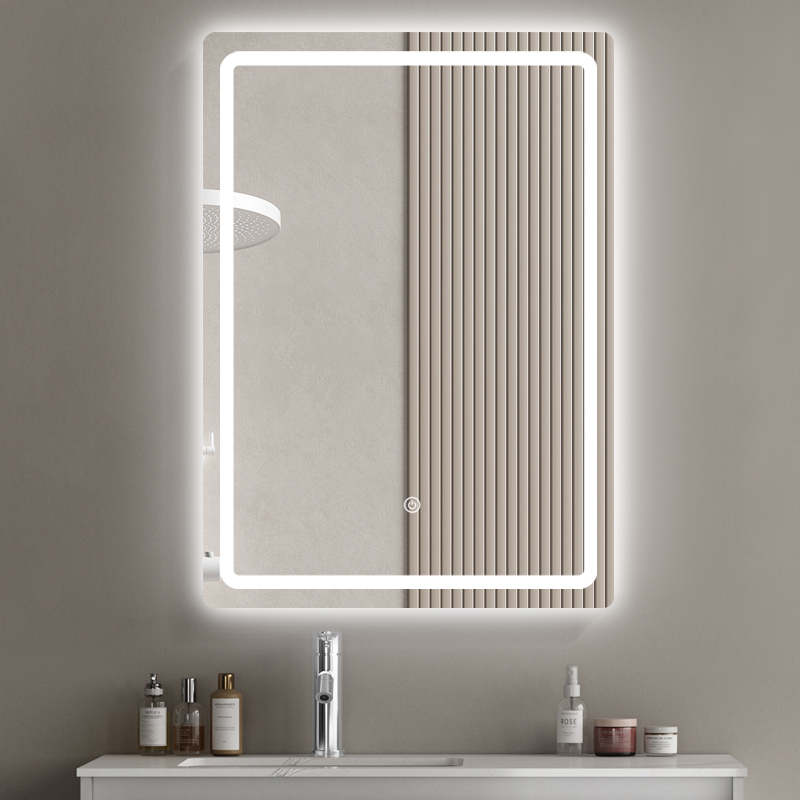
Modern LED mirrors and illuminated mirrors also require careful electrical and moisture protection integration to maintain durability and safety.
At Lofter, we manufacture bathroom mirrors using premium materials and advanced production techniques that improve moisture resistance and long-term reliability. Our integrated production capabilities allow us to maintain strict quality standards across every stage of manufacturing.
How Can You Prevent Mirror Rust and Extend Mirror Lifespan?
Preventing mirror rot requires a combination of proper product selection, correct installation, and routine maintenance. Investing in high-quality mirrors significantly reduces the likelihood of corrosion and premature replacement.
Choose Moisture-Resistant Mirrors
Premium bathroom mirrors include protective coatings and sealed edges designed to resist humidity and oxidation.
Improve Bathroom Ventilation
Using exhaust fans or proper airflow systems helps reduce moisture accumulation after showers.
Avoid Harsh Cleaning Chemicals
Strong chemical cleaners can damage protective coatings and accelerate mirror rust. Soft cloths and mild cleaning solutions are safer options.
Prevent Direct Water Exposure
Continuous splashing near exposed edges increases the risk of mirror rust spots and backing deterioration.
Inspect Mirror Edges Regularly
Early signs of corrosion should be addressed quickly before damage spreads further.
Choosing a professionally manufactured mirror is one of the most effective ways to reduce long-term maintenance problems. At Lofter, our fully integrated production line enables us to produce mirrors with reliable protective technologies, premium reflective coatings, and precision edge finishing for superior durability.
Why Are High-Quality Manufacturing Standards Important for Mirrors?
The difference between a durable mirror and a rusty mirror often comes down to manufacturing quality. Many low-cost mirrors fail prematurely because manufacturers use inferior materials or inconsistent production methods.
Preventing mirror rot requires careful control over several critical production stages, including:
- Glass processing
- Reflective coating application
- Edge sealing
- Moisture protection treatment
- Surface finishing
- Final quality inspection
Weakness in any of these areas can significantly reduce mirror lifespan and increase the likelihood of corrosion.
High-quality manufacturing also improves reflection clarity, structural stability, and overall appearance. Premium mirrors maintain their visual quality longer while resisting discoloration and environmental damage more effectively.
At Lofter, our vertically integrated manufacturing process allows us to oversee every stage of production internally. This level of control helps ensure stable product quality, reliable durability, and efficient customization capabilities for residential and commercial customers alike.
By selling directly through our independent website, we can also provide premium mirror solutions with competitive pricing and responsive technical support.
Why Are Modern Mirror Technologies Reducing Corrosion Problems?
Advancements in mirror manufacturing technology are helping reduce the prevalence of mirror rust and extending product lifespan significantly. Modern consumers now expect mirrors to combine elegant aesthetics with long-term durability.
One major improvement involves advanced moisture-resistant coatings that better protect reflective layers from oxidation. Improved sealing technologies also help prevent water penetration around mirror edges.
LED mirrors and smart mirrors increasingly use waterproof electrical integration systems to improve safety and performance in humid environments. Frameless and minimalist mirror designs additionally reduce exposed materials that may trap moisture or deteriorate over time.
Environmental awareness has also encouraged manufacturers to adopt copper-free mirror technologies, which often provide improved corrosion resistance compared with traditional production methods.
At Lofter, we continuously invest in advanced manufacturing technologies and product innovation to improve mirror durability and customer satisfaction. Our integrated production system allows us to efficiently develop modern mirror solutions that meet evolving quality and performance expectations worldwide.
Conclusion
Mirror rot, mirror rust spots, and mirror rust can significantly reduce both the appearance and functionality of bathroom mirrors. Moisture exposure, poor ventilation, and low-quality manufacturing are the primary causes of a rusty mirror, making proper material selection and production quality extremely important.
At Lofter, we combine a fully integrated production line, premium materials, advanced manufacturing technologies, and strict quality control to deliver reliable, stylish, and long-lasting mirror solutions. Whether for bathrooms, salons, hotels, or decorative interiors, Lofter remains committed to helping customers create elegant spaces with dependable performance and lasting durability.



 English
 Español
 Deutsch
 Français
 日本語
 Nederlands
 Português
 한국어
 Italiano
 Svenska