



Confused by the many mirror options available and unsure which mirror type fits your home or business best?
There are many kinds of mirror available today, including bathroom mirrors, full-length mirrors, illuminated mirrors, decorative mirrors, and smart mirrors. Understanding different mirror types and selecting the right type of mirror helps improve functionality, aesthetics, and overall interior design performance.
Let’s explore the most popular mirror categories, their applications, and how to choose the right one.
Why Is Understanding Different Kinds of Mirror Important?
Choosing among the many available kinds of mirror may seem simple at first, but the right mirror can significantly impact a room’s appearance, functionality, and atmosphere. Modern mirrors serve far more purposes than merely providing a reflection. They help enhance lighting, create the illusion of larger spaces, improve daily routines, and contribute to overall interior aesthetics.
As interior design trends evolve, consumers increasingly seek mirrors that combine beauty, technology, and practicality. Different mirror types are specifically designed for different environments. A bathroom mirror must withstand humidity, while a salon mirror requires excellent reflection accuracy and durability. Decorative mirrors focus on style, whereas smart mirrors emphasize functionality.
Understanding various types of mirrors helps homeowners, designers, and commercial buyers make informed decisions that maximize long-term value and satisfaction.
At Lofter, our fully integrated production line allows us to manufacture a wide range of premium mirror solutions. From glass processing and frame fabrication to LED integration and final inspection, every production stage is carefully controlled to ensure exceptional quality and reliability.
What Are the Most Common Types of Mirrors Used Today?
When discussing types of mirrors, several major categories dominate both residential and commercial markets. Each mirror type serves a specific purpose and offers unique benefits.
Bathroom Mirrors
Designed for humid environments, bathroom mirrors often include moisture-resistant coatings, LED lighting, and anti-fog systems.
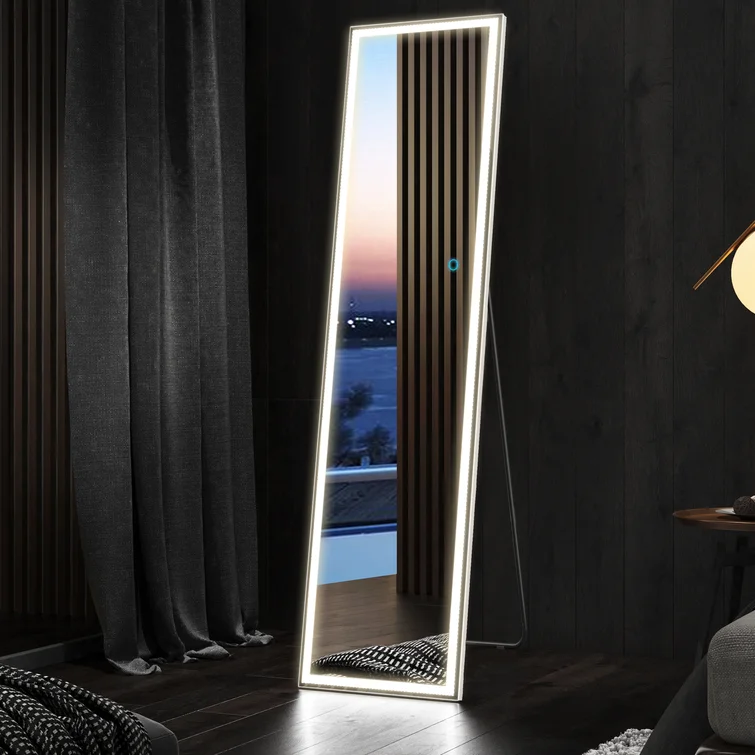
Full-Length Mirrors
These mirrors provide head-to-toe visibility and are commonly used in bedrooms, dressing rooms, and retail spaces.
Decorative Mirrors
Decorative mirrors focus on aesthetics and serve as statement pieces within interior designs.
Vanity Mirrors
Popular for makeup and grooming, vanity mirrors often incorporate magnification and integrated lighting.
Smart Mirrors
Advanced smart mirrors combine reflection with technology, including touch controls, Bluetooth connectivity, and digital displays.
Salon Mirrors
Designed for professional environments, salon mirrors prioritize reflection accuracy, durability, and style.
Each type of mirror offers distinct advantages depending on its intended application.
At Lofter, we manufacture multiple mirror categories using premium materials and advanced production technologies to meet diverse customer needs while maintaining strict quality standards.
How Do Decorative Mirror Types Transform Interior Design?
Among all mirror types, decorative mirrors have become one of the most influential elements in contemporary interior design. They serve both practical and artistic functions, helping homeowners and designers create visually engaging spaces.
Decorative types of mirror come in countless shapes, including:
- Round mirrors
- Oval mirrors
- Arched mirrors
- Geometric mirrors
- Irregular artistic mirrors
- Oversized statement mirrors
These mirrors can act as focal points, enhance natural light, and create visual depth. In smaller spaces, decorative mirrors help rooms appear larger and brighter. In luxury interiors, they contribute elegance and sophistication.
The growing popularity of social media-inspired home design has further increased demand for decorative mirrors. Consumers increasingly seek mirrors that reflect personal style while improving functionality.
At Lofter, our design and manufacturing teams work together to produce decorative mirror collections that balance aesthetics, durability, and precision craftsmanship. Our integrated production capabilities enable flexible customization while maintaining exceptional product consistency.
Which Mirror Type Is Best for Bathrooms?
Selecting the right mirror type for a bathroom requires special consideration because bathrooms present unique environmental challenges. Humidity, temperature fluctuations, and daily moisture exposure can affect mirror performance over time.
Modern bathroom mirror types often include:
- LED illuminated mirrors
- Anti-fog mirrors
- Smart mirrors
- Frameless mirrors
- Medicine cabinet mirrors
- Backlit mirrors
Many homeowners now prefer illuminated mirrors because they provide superior visibility for grooming tasks while enhancing overall bathroom aesthetics.
Anti-fog technology is also becoming increasingly important. A high-quality bathroom mirror should remain clear even after hot showers, improving convenience and reducing maintenance requirements.
When evaluating types of mirrors for bathrooms, consumers should consider moisture resistance, lighting quality, energy efficiency, and long-term durability.
At Lofter, we manufacture bathroom mirrors using advanced moisture-resistant materials, precision reflective coatings, and innovative LED technologies. Our fully integrated manufacturing process ensures consistent performance in demanding bathroom environments.
Why Are Smart Mirror Types Shaping the Future?
Technology is transforming nearly every category of home products, and mirrors are no exception. Smart mirrors represent one of the fastest-growing mirror types in both residential and commercial markets.
Modern smart types of mirror may include:
- Touchscreen controls
- Adjustable LED lighting
- Anti-fog systems
- Bluetooth speakers
- Voice assistants
- Fitness tracking integration
- Digital displays
Consumers increasingly expect products to offer convenience, personalization, and connectivity. Smart mirrors fulfill these expectations while maintaining elegant modern aesthetics.
Hotels, luxury residences, fitness centers, and salons are rapidly adopting smart mirror technology to enhance customer experiences and improve operational efficiency.
As technology continues advancing, future smart mirror innovations are expected to incorporate artificial intelligence, health monitoring features, and deeper smart home integration.
At Lofter, we continuously invest in product innovation and advanced manufacturing technologies. Our integrated production system allows us to rapidly develop mirror solutions that align with evolving market demands while maintaining premium quality standards.
How Does Manufacturing Quality Affect Every Mirror Type?
Regardless of the chosen mirror type, manufacturing quality remains one of the most important factors influencing performance, durability, and customer satisfaction.
Poorly manufactured mirrors may suffer from:
- Reflection distortion
- Uneven coatings
- Corrosion
- Frame instability
- LED failures
- Reduced lifespan
High-quality mirror types require precise glass processing, consistent reflective coatings, reliable structural engineering, and strict quality control procedures.
A fully integrated production process offers significant advantages because every manufacturing stage remains under direct supervision. This reduces quality inconsistencies while improving product reliability.
At Lofter, our vertically integrated manufacturing facility manages:
- Glass cutting and processing
- Reflective coating application
- Frame production
- LED integration
- Product assembly
- Final quality inspection
This level of control allows us to consistently deliver premium mirror solutions that meet the expectations of homeowners, designers, hotels, salons, and commercial buyers worldwide.
How Should You Choose the Right Type of Mirror?
Selecting the ideal type of mirror begins with understanding your space, functional requirements, and design goals.
Consider the following factors:
Intended Application
Determine whether the mirror will be used in a bathroom, bedroom, salon, retail store, or decorative setting.
Size Requirements
Choose dimensions appropriate for the room while ensuring adequate visibility.
Lighting Needs
Consider illuminated or backlit mirrors for improved functionality.
Design Style
Match the mirror to your existing décor and architectural aesthetics.
Technology Features
Evaluate whether smart functions or anti-fog technology would improve usability.
Product Quality
Prioritize mirrors manufactured using premium materials and reliable production processes.
By carefully evaluating these factors, buyers can confidently select among various kinds of mirror and find solutions that provide both beauty and long-term performance.
At Lofter, our experienced team helps customers identify the best mirror products for their unique applications while providing professional support and factory-direct value.
Conclusion
Understanding the various kinds of mirror, mirror types, types of mirrors, types of mirror, and selecting the right mirror type can dramatically improve both functionality and interior design outcomes. From decorative and bathroom mirrors to smart mirrors and full-length solutions, every mirror category serves a unique purpose.
At Lofter, we combine a fully integrated production line, premium materials, advanced manufacturing technologies, and professional technical support to deliver reliable, high-quality mirror solutions. Whether for bathrooms, salons, hotels, residential interiors, or commercial projects, Lofter remains committed to helping customers create beautiful, practical, and future-ready spaces with confidence.



 English
 Español
 Deutsch
 Français
 日本語
 Nederlands
 Português
 한국어
 Italiano
 Svenska