

Wall Mirror vs. Standing Mirror
Are you in the market for a new mirror? Mirrors are available in a variety of shapes and styles. Both wall mirrors and standing mirrors offer unique benefits, so choosing the right one depends on your needs. If you need a stationary solution for quick checks, a wall mirror might be your best choice. However, if comprehensive visibility from multiple angles is what you’re after, a standing mirror could be the ideal option. In this article, we’ll explore the advantages and drawbacks of each type of mirror to help you determine which one suits your home best.

Wall Mirror Overview
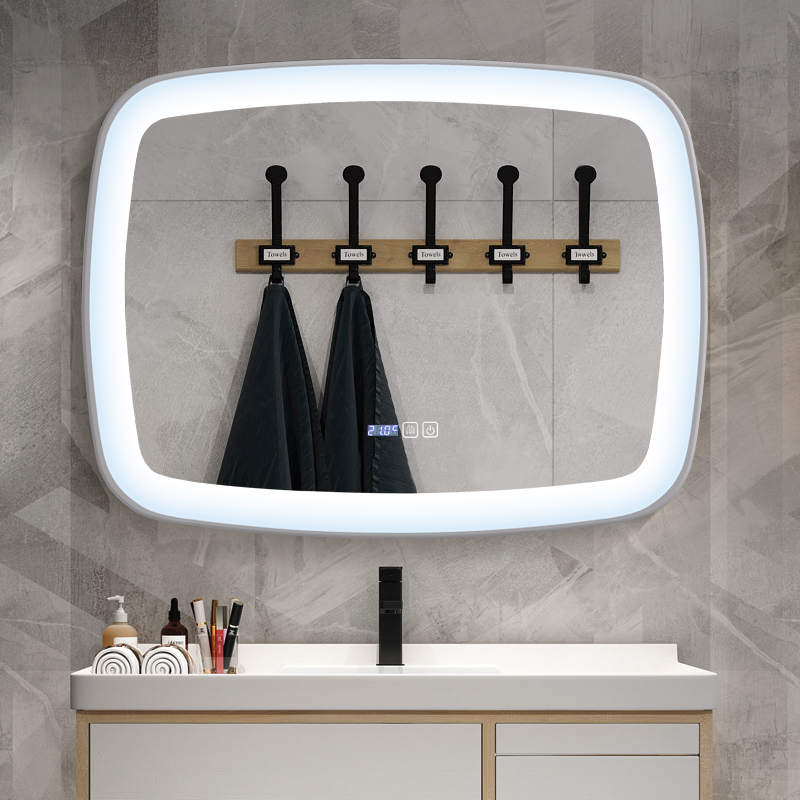
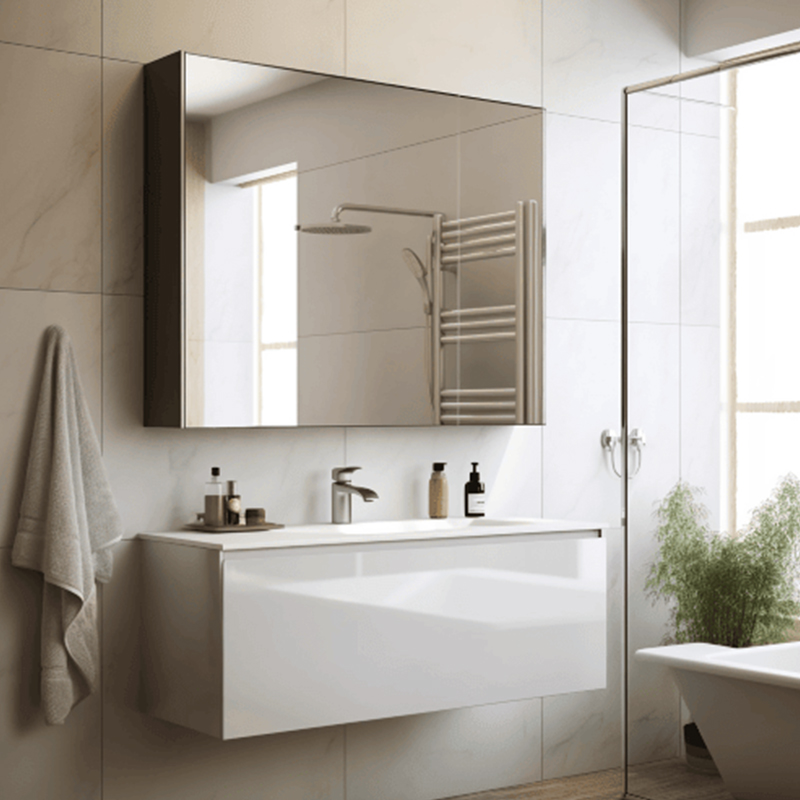
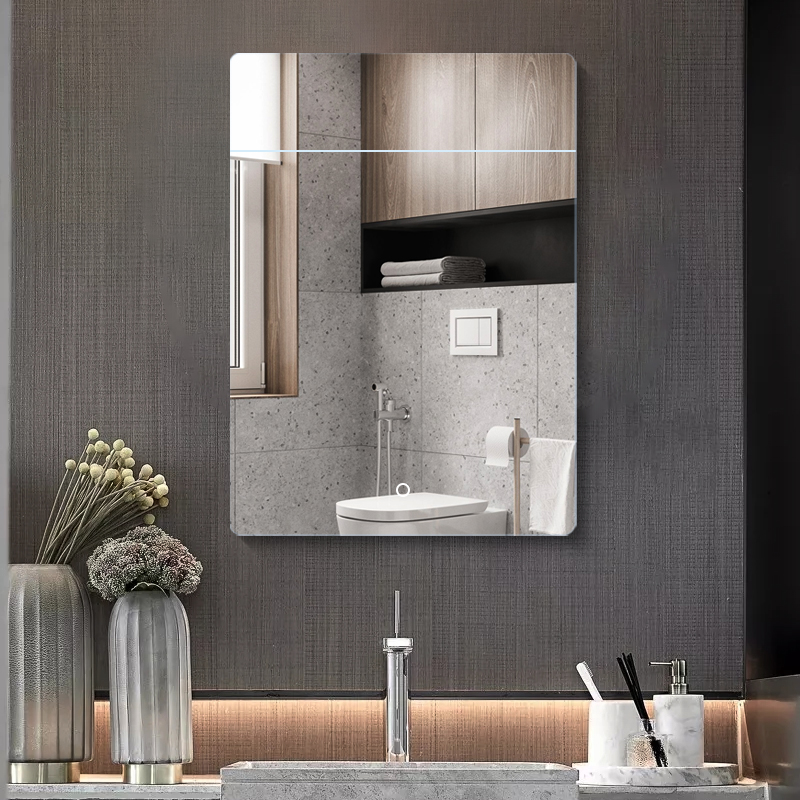
Wall mirrors are fixed installations that attach directly to a wall, making them a permanent fixture in any room. They are ideal for areas where space is limited or where a stationary reflective surface is required.
Pros:
Space-Saving: Being mounted on the wall, they don’t occupy floor space, making them perfect for smaller rooms like bathrooms and narrow hallways.
Durability: Securely mounted wall mirrors are less likely to be knocked over, reducing the risk of breakage.
Portability: Easier to relocate than freestanding mirrors, as they can be removed and rehung without requiring significant space.
Cons:
Limited Reflection: May not provide a full-body view unless installed in a sufficiently large size, which can be challenging in smaller spaces.
Maintenance: Requires regular cleaning to maintain clarity and visibility, especially in high-traffic areas.
Installation: Might need professional installation to ensure they are hung securely and level.
Standing Mirror Overview
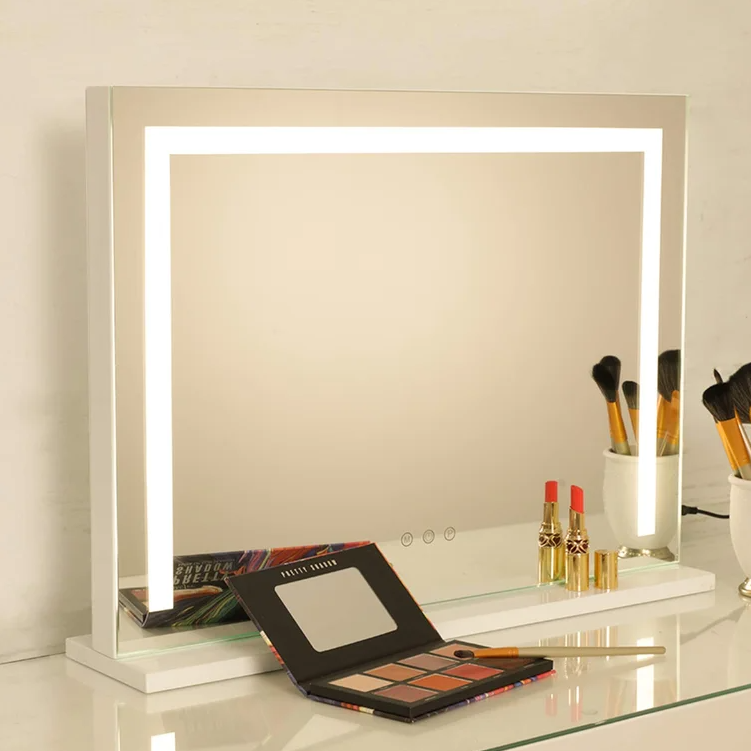
Standing mirrors are versatile, freestanding units that can be moved and adjusted without the need for wall installation. They are excellent for bedrooms, dressing rooms, and other areas where a full-length view is necessary.
Pros:
Full-Length View: Ideal for outfit checks and dressing, as they offer a complete head-to-toe image.
Flexibility: Can be placed in any room without the need for wall mounting, and moved around as needed.
Decorative Variety: Often come in a range of styles that can serve as a focal point in room decor.
Cons:
Space Requirements: Require more floor space than wall mirrors, which can be a disadvantage in smaller areas.
Stability Concerns: More prone to tipping, which can be a hazard in homes with pets or children.
Cleaning: Larger surfaces may gather dust and fingerprints more readily, necessitating frequent cleaning.
Deciding Between Wall and Standing Mirrors
When choosing between a wall and a standing mirror, consider the following:
Space and Layout: If space is constrained, a wall mirror might be more practical. In larger rooms, a standing mirror can add style and functionality.
Usage Needs: Consider how you will use the mirror. For detailed dressing and styling, a full-length standing mirror might be more beneficial.
Aesthetic Preferences: Standing mirrors often serve as a statement piece, while wall mirrors tend to blend more seamlessly into the decor.
Safety and Installation: Wall mirrors need secure installation, especially in environments with children or high traffic, to avoid accidents.
Final Words
Ultimately, the best mirror for your space will meet your functional requirements, fit well within the available area, and complement your home’s overall decor style. By considering these aspects, you can select a mirror that not only looks great but also enhances the functionality and aesthetics of your living space.
 English
  Español
  Deutsch
  Français
  日本語
日本語  Nederlands
  Português
  한국어
한국어  Italiano
  Svenska