



Have scratches ruined your mirror’s appearance and made your bathroom or bedroom look outdated?
If you’re wondering how do you remove scratches from a mirror, the answer depends on the scratch depth. Minor surface scratches can often be minimized using polishing compounds, while deeper damage may require professional restoration or replacement. Understanding how to fix scratched mirror surfaces properly helps preserve clarity, safety, and aesthetics.
Let’s explore the causes, repair methods, prevention tips, and when replacement is the smarter option.
What Causes Mirror Scratches and Why Should You Fix Them?
Mirror scratches can occur for many reasons, including improper cleaning techniques, abrasive materials, accidental impacts, and daily wear. While a small scratch may seem insignificant at first, it can gradually affect the overall appearance of the mirror and the surrounding space.
In bathrooms, scratches often result from harsh cleaning pads or chemical cleaners. In dressing rooms and salons, frequent handling and contact with jewelry, tools, or accessories can leave visible marks. Once scratches appear, they can scatter light unevenly, reducing reflection quality and creating a worn-out appearance.
Many homeowners search for how to fix scratched mirror surfaces because replacing a large decorative mirror can be costly. Fortunately, some minor imperfections can be improved with proper repair techniques. However, understanding the severity of the damage is critical before attempting any repair.
At Lofter, our integrated manufacturing process ensures every mirror undergoes strict quality inspections, helping reduce surface defects and improve long-term durability for residential and commercial applications.
How Do You Remove Scratches from a Mirror? Step-by-Step Assessment
Before attempting any repair, determine whether the scratch affects only the glass surface or penetrates deeper into the reflective backing.
A simple fingernail test can help. If your fingernail barely catches the scratch, it is likely superficial and may be improved through polishing. If the scratch feels deep or visibly disrupts the reflective coating, complete removal may not be possible.
To assess damage:
- Clean the mirror thoroughly.
- Examine the scratch under direct lighting.
- Run your fingernail across the damaged area.
- Determine whether the reflective layer is affected.
Many people ask, how do you remove scratches from a mirror permanently? The reality is that deep scratches cannot always be completely eliminated. In such cases, the goal becomes minimizing visibility rather than achieving a flawless finish.
Lofter’s high-quality mirror manufacturing standards focus on durable coatings and premium glass selection, helping customers avoid common damage issues over the product’s lifespan.
Effective Methods to Remove Scratches on Mirror Surfaces
When attempting to remove scratches on mirror surfaces, several repair methods may help depending on scratch severity.
Glass Polishing Compound
Cerium oxide polishing compound is one of the most effective solutions for minor scratches. This professional-grade material gently smooths microscopic imperfections while preserving reflection quality.
Jewelry Polishing Products
For extremely light scratches, specialized glass polishing creams may help reduce visibility. These products are commonly available and relatively easy to use.
Toothpaste Method
Some homeowners use non-gel whitening toothpaste as a mild abrasive. While results vary, this method may help reduce the appearance of very shallow marks.
Scratch Repair Kits
Commercial glass repair kits often include polishing pads and compounds designed specifically for mirror surfaces.
When using any repair technique, apply gentle pressure and avoid excessive polishing, which may create optical distortion. The objective is to improve appearance without damaging the reflective coating.
Understanding how to properly remove scratches on mirror surfaces can save time and money while extending the mirror’s useful life.
How to Fix Scratched Mirror Damage That Reaches the Reflective Layer
When scratches penetrate beyond the glass and damage the reflective backing, traditional polishing methods become far less effective.
The reflective layer, typically composed of silver or aluminum coatings, creates the mirror’s reflective properties. Once damaged, the affected area may appear dark, distorted, or permanently visible.
In these situations, options include:
- Professional mirror resilvering
- Reflective coating restoration
- Decorative frame repositioning to conceal damage
- Full mirror replacement
Many consumers searching for how to fix scratched mirror issues hope for a simple DIY solution. However, severe damage often requires professional assessment.
At Lofter, we help customers choose replacement mirrors designed for superior durability, advanced edge protection, and long-lasting performance. Because we operate a fully integrated production line, we maintain strict quality control from raw glass processing to final packaging.
When Should You Replace Instead of Repair a Scratched Mirror?
Not every damaged mirror is worth repairing. In some cases, replacement offers better long-term value.
Consider replacement when:
- Scratches are deep and highly visible.
- Multiple damaged areas exist.
- Reflection quality is significantly distorted.
- The mirror shows additional issues such as edge corrosion or backing deterioration.
- Repair costs approach replacement costs.
Modern mirrors provide significant advantages over older products. Today’s premium mirrors feature improved reflective coatings, moisture resistance, anti-corrosion treatments, and enhanced durability.
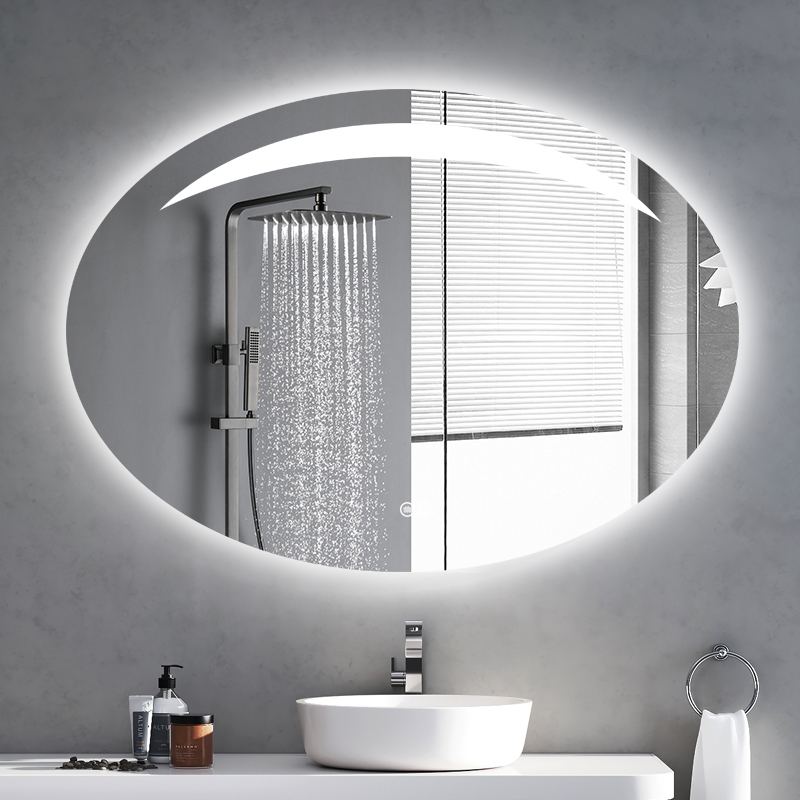
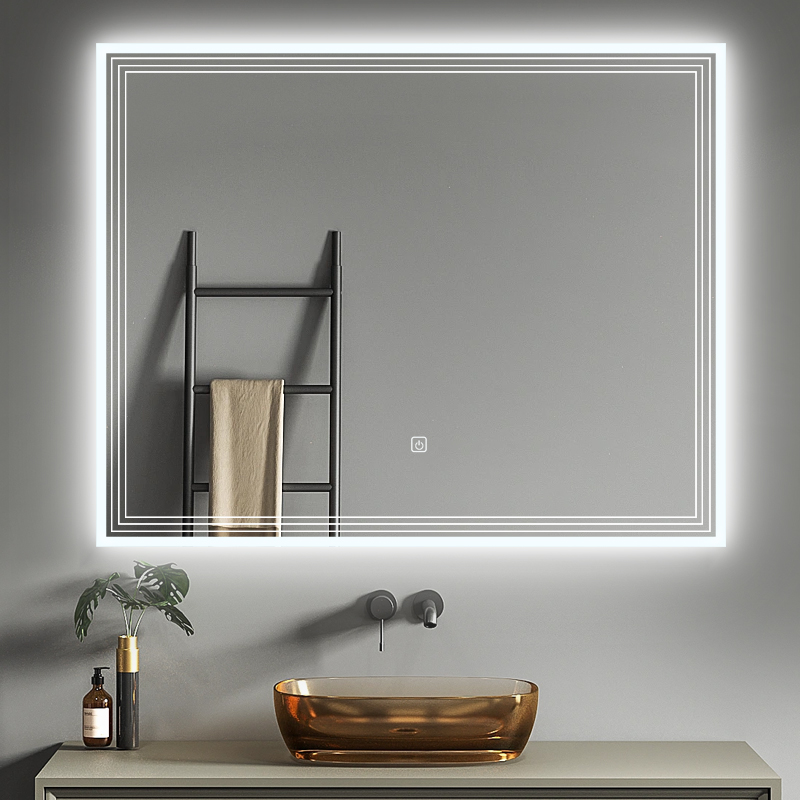
For bathrooms, salons, and vanity installations, upgrading to a high-quality mirror can improve both functionality and design appeal. Lofter’s direct-to-consumer model allows customers to access professional-grade products without unnecessary distributor markups.
How to Prevent Future Mirror Scratches
Prevention is often easier and less expensive than repair. Once you’ve addressed existing damage, proper maintenance can help preserve your mirror’s appearance for years.
Best practices include:
Use Microfiber Cloths
Soft microfiber materials safely remove dust and fingerprints without creating micro-scratches.
Avoid Abrasive Cleaners
Never use steel wool, rough sponges, or harsh scrubbing pads on mirror surfaces.
Apply Cleaner Correctly
Spray cleaning solution onto the cloth rather than directly onto the mirror to reduce moisture exposure.
Protect High-Traffic Areas
Install mirrors away from areas where tools, accessories, or heavy objects may cause accidental impact.
Choose Quality Mirrors
High-quality mirrors feature superior glass, protective coatings, and better manufacturing consistency.
Lofter’s advanced production capabilities help deliver mirrors engineered for long-term performance in bathrooms, dressing rooms, salons, hotels, and residential spaces worldwide.
Why Quality Manufacturing Matters for Long-Term Mirror Performance
Many scratch-related issues originate from poor-quality materials or inadequate manufacturing processes. Lower-grade glass may be more susceptible to surface imperfections, while inconsistent coatings can lead to faster deterioration.
Lofter differentiates itself through:
- Fully integrated manufacturing facilities
- Strict quality control systems
- Premium mirror glass selection
- Advanced coating technologies
- Direct factory-to-consumer sales
- Professional technical support
Whether customers need bathroom mirrors, vanity mirrors, salon mirrors, or decorative mirrors, quality manufacturing directly impacts durability, clarity, and long-term satisfaction.
Choosing a reliable manufacturer reduces the likelihood of premature damage and helps protect your investment over time.
Conclusion
Understanding how to fix scratched mirror surfaces begins with identifying the scratch depth and selecting the appropriate repair method. While minor scratches can often be improved through polishing, deeper damage may require professional restoration or replacement. If you’ve ever wondered how do you remove scratches from a mirror or how to remove scratches on mirror surfaces effectively, proper assessment is the key to achieving the best results.
At Lofter, we combine integrated manufacturing, premium materials, direct-to-consumer sales, and expert technical support to deliver high-quality bathroom mirrors, vanity mirrors, salon mirrors, and decorative mirrors built for long-term performance. Choosing a professionally manufactured mirror today can help prevent costly repairs tomorrow.


 English
 Español
 Deutsch
 Français
 日本語
 Nederlands
 Português
 한국어
 Italiano
 Svenska