



Are low-quality mirrors causing distortion, poor durability, or disappointing aesthetics in your home or commercial space?
Understanding how mirrors are manufactured helps buyers choose higher-quality products with better clarity, durability, and design performance. Modern mirror manufacturing combines precision glass processing, reflective coating technology, and strict quality control to create reliable mirrors for bathrooms, salons, hotels, and decorative interiors.
Let’s explore the manufacturing process, technologies, and key factors behind premium mirror production.
What Is the Basic Process Behind How Mirrors Are Manufactured?
To understand how mirrors are manufactured, it is important to first recognize that modern mirrors are far more advanced than simple reflective glass. Today’s high-quality mirrors combine carefully processed glass with specialized reflective coatings and protective layers designed for long-term durability and visual clarity.
The manufacturing process typically begins with high-grade float glass. This glass is cleaned thoroughly to remove dust, oils, and microscopic impurities that could affect reflection quality. Precision cleaning is critical because even tiny contaminants may create visible defects later in production.
After cleaning, the glass surface receives a reflective metal coating. Silver is commonly used in premium mirrors because it provides superior reflectivity and image clarity. Aluminum may also be used for specific applications. Protective paint layers are then added to shield the reflective coating from moisture, oxidation, and corrosion.
The final stages include cutting, edging, polishing, inspection, and packaging. Depending on the application, mirrors may also include additional features such as LED lighting, anti-fog systems, touch controls, or decorative frames.
At Lofter, our fully integrated production line allows us to carefully control every manufacturing stage. From raw material selection to final inspection, we focus on producing mirrors that combine elegant aesthetics, reliable durability, and consistent performance.
Why Is Glass Quality So Important in Mirror Manufacturing?
One of the most important factors in how mirrors are manufactured is the quality of the original glass material. Even the most advanced coating technology cannot compensate for poor glass quality. High-grade glass ensures better reflection accuracy, smoother surfaces, and greater structural stability.
Premium mirror manufacturers use carefully selected float glass because it provides excellent flatness and optical consistency. Uneven or low-quality glass may create distorted reflections that reduce both functionality and visual appeal. This becomes especially noticeable in large decorative mirrors, salon mirrors, and bathroom installations where image clarity is essential.
Glass thickness also plays a major role in durability and performance. Thicker glass generally improves structural strength and reduces vibration or warping over time. For high-moisture environments such as bathrooms, properly processed glass also improves long-term reliability.
At Lofter, we prioritize strict material selection standards throughout our integrated production process. Our technical team carefully evaluates glass quality before manufacturing begins, ensuring that every mirror meets demanding performance expectations for residential and commercial applications.
Because we manage production internally, we can maintain stable quality control while offering customers competitive direct pricing and responsive technical support.
How Do Reflective Coatings Create High-Performance Mirrors?
A critical step in understanding how mirrors are manufactured is learning how reflective coatings are applied. The reflective layer determines the mirror’s brightness, clarity, and resistance to environmental damage.
Silver coating remains one of the most widely used technologies in premium mirror manufacturing. During production, a thin silver layer is chemically deposited onto the glass surface. This process creates highly accurate reflections with excellent brightness and color fidelity.
After the reflective layer is applied, multiple protective coatings are added. These layers help prevent corrosion, scratches, moisture penetration, and oxidation. Without proper protection, mirrors can develop black edges, discoloration, or reduced reflectivity over time.
Advanced manufacturing technologies now allow mirrors to include additional features such as:
- Anti-fog functionality
- LED backlighting
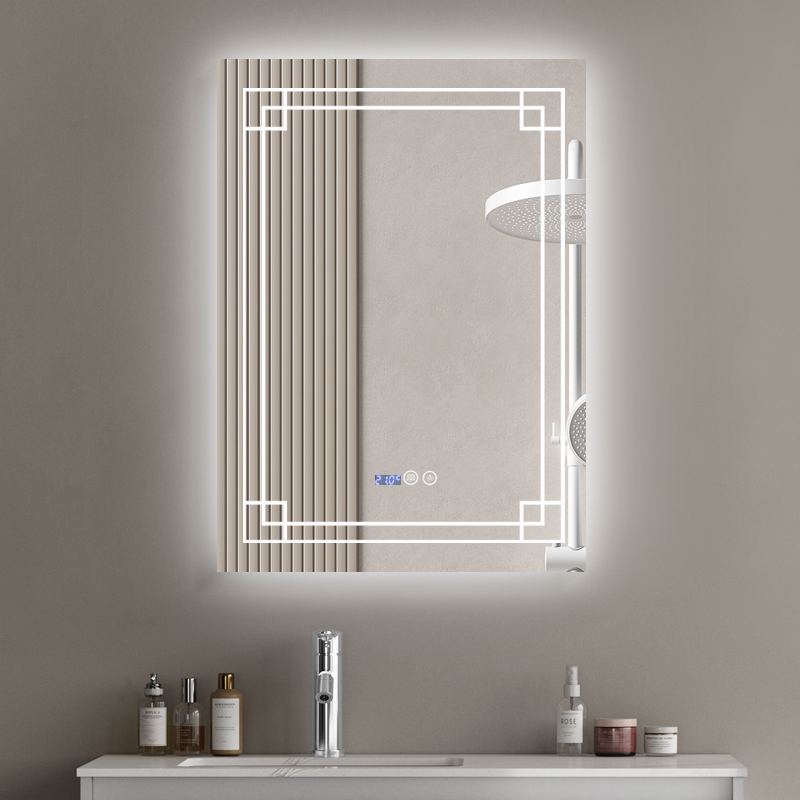
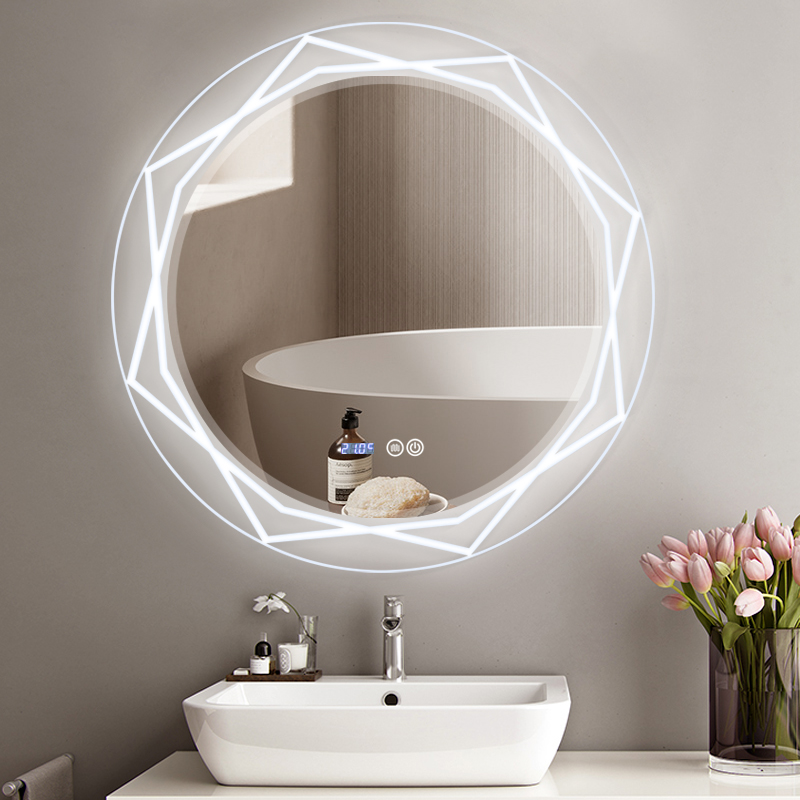
- Smart touch controls
- Waterproof protection
- Decorative finishes
These innovations improve both user experience and product longevity.
Lofter continuously invests in advanced manufacturing equipment and precision coating technologies. Our fully integrated production capabilities allow us to maintain exceptional consistency across every product while ensuring long-term durability and superior visual performance.
What Role Does Precision Cutting and Polishing Play?
Precision finishing is another essential stage in how mirrors are manufactured. After coating, mirrors must be carefully cut, shaped, edged, and polished to achieve both functional reliability and premium appearance.
Poor cutting techniques can create uneven edges, structural weakness, or safety risks. Precision machinery ensures accurate dimensions and smooth finishing while reducing material waste. Polished edges not only improve aesthetics but also help prevent chipping and cracking during transportation or installation.
Different applications require different edge treatments and shapes. Bathroom mirrors may feature minimalist polished edges, while decorative mirrors often include beveled or artistic designs. Salon mirrors typically prioritize large reflective surfaces and structural durability.
The growing demand for customized interiors has also increased interest in uniquely shaped mirrors and tailored sizing options. Manufacturers with integrated production systems are better equipped to provide flexible customization while maintaining stable quality standards.
At Lofter, our production team combines precision equipment with strict inspection procedures to ensure every mirror meets high design and safety expectations. Our integrated manufacturing approach allows us to deliver customized solutions efficiently while maintaining reliable lead times and consistent craftsmanship.
Why Are Smart and LED Mirrors Shaping Future Trends?
Modern innovation is transforming how mirrors are manufactured and used. Today’s mirrors increasingly integrate technology that enhances convenience, energy efficiency, and interior aesthetics.
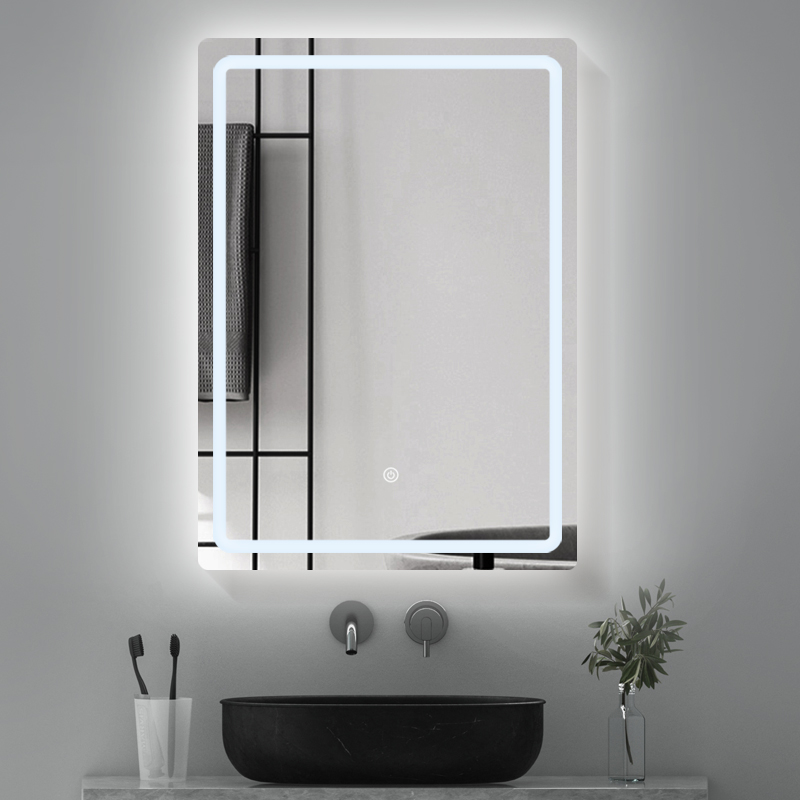
LED mirrors have become especially popular in bathrooms, salons, hotels, and luxury residential projects. Integrated LED lighting improves visibility while creating elegant ambient illumination. Compared with traditional lighting systems, LED technology offers lower energy consumption and longer service life.
Smart mirrors are also becoming more common. Features such as touch sensors, Bluetooth speakers, digital displays, and smart home integration are changing consumer expectations. Buyers now want mirrors that combine functionality, technology, and decorative appeal within a single product.
Minimalist design trends further support the popularity of smart and illuminated mirrors. Clean lines, hidden lighting systems, and frameless structures align perfectly with modern architectural styles.
Lofter closely follows evolving market trends and continuously upgrades manufacturing technologies to meet changing customer demands. Thanks to our vertically integrated production system, we can efficiently develop innovative mirror solutions while maintaining strict quality control and dependable performance standards.
How Does Integrated Manufacturing Improve Mirror Quality and Reliability?
A fully integrated production system provides significant advantages in modern mirror manufacturing. Companies that control multiple stages of production can maintain better consistency, improve efficiency, and respond more quickly to customization requirements.
Understanding how mirrors are manufactured also means recognizing the importance of quality management throughout the supply chain. Manufacturers relying heavily on outsourcing often face challenges with inconsistent materials, delayed production, and uneven quality standards.
At Lofter, our integrated manufacturing process allows us to oversee:
- Glass processing
- Coating application
- Frame production
- LED integration
- Quality inspection
- Packaging and shipping
This level of control helps ensure stable product quality, faster lead times, and more flexible customization capabilities. It also allows us to provide direct pricing advantages without sacrificing craftsmanship or technical support.
For homeowners, designers, salons, hotels, and commercial buyers, working with an experienced manufacturer reduces sourcing risks while improving long-term satisfaction and product reliability.
Conclusion
Understanding how mirrors are manufactured helps customers make smarter purchasing decisions and recognize the value of high-quality production standards. From precision glass selection to advanced reflective coatings and integrated smart technologies, every manufacturing stage directly impacts mirror durability, clarity, and overall performance.
At Lofter, we combine a fully integrated production line, strict quality control, premium materials, and professional technical support to deliver reliable, stylish, and high-performance mirror solutions. Whether for bathrooms, salons, hotels, or decorative interiors, Lofter remains committed to helping customers create elegant and functional spaces with confidence.

 English
 Español
 Deutsch
 Français
 日本語
 Nederlands
 Português
 한국어
 Italiano
 Svenska