



Struggling to choose between mirror styles that all look similar but perform completely differently in real spaces?
Different mirrors serve unique purposes depending on their design, lighting, installation style, and functionality. Understanding the different kinds of mirrors helps homeowners, salons, hotels, and commercial buyers choose the ideal solution for improving aesthetics, lighting, and space efficiency.
Let’s explore the most popular mirror types, their applications, and how to choose the best option for your project.
What Are the Different Kinds of Mirrors Used Today?
Modern interiors rely heavily on different mirrors to improve both functionality and visual appeal. While mirrors were once viewed primarily as practical accessories, they are now considered essential design elements across residential and commercial spaces.
The different kinds of mirrors most commonly used today include wall-mounted mirrors, standing mirrors, illuminated mirrors, decorative mirrors, and medicine cabinet mirrors. Each category offers unique benefits depending on the intended environment and design goals.
Wall-mounted mirrors are ideal for bathrooms and compact interiors because they save floor space while creating clean, modern aesthetics. Standing mirrors provide flexibility and full-body reflection, making them popular for bedrooms, salons, and dressing areas.
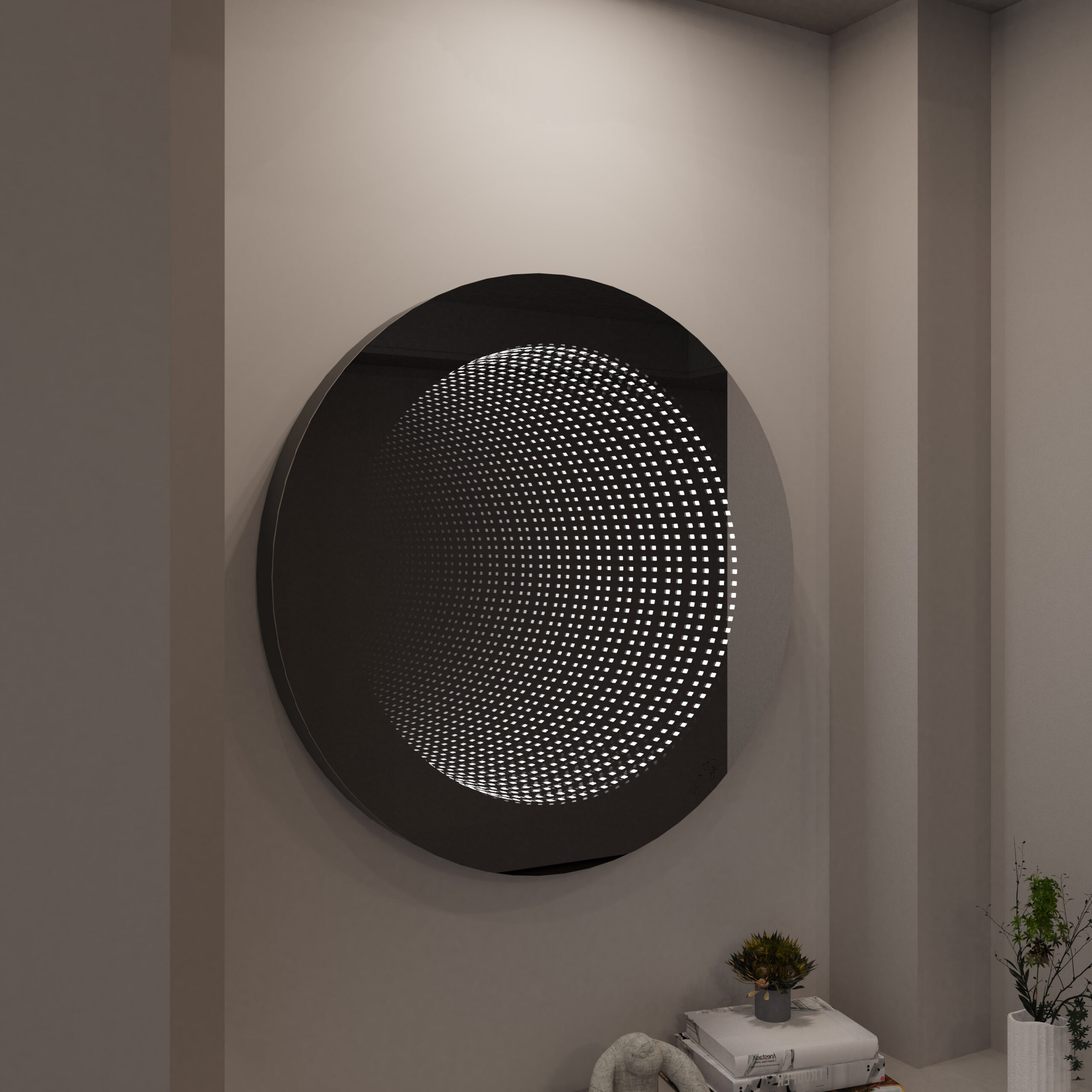
Illuminated mirrors integrate LED lighting for enhanced visibility and luxurious ambiance. Decorative mirrors focus more heavily on artistic impact and interior styling, while medicine cabinet mirrors combine storage and reflection within a single functional structure.
At Lofter, our fully integrated production line allows us to manufacture a wide range of premium mirror solutions with exceptional consistency and quality control. By selling directly through our independent website, we provide customers with reliable products, competitive pricing, and professional technical support.
Why Do Different Mirrors Matter in Interior Design?
The choice between different mirrors significantly affects the atmosphere, functionality, and visual balance of a space. Mirrors influence lighting conditions, room proportions, and even emotional perception within interiors.
Large mirrors can make smaller rooms appear more spacious by reflecting light and extending visual depth. In bathrooms, mirrors improve brightness while enhancing daily convenience. In salons and retail environments, mirrors directly affect customer experience and professional functionality.
The different kinds of mirrors also help define design style. Frameless mirrors create minimalist modern aesthetics, while vintage-inspired mirrors introduce warmth and decorative sophistication. Illuminated mirrors add a luxurious and technological feel that aligns with contemporary smart-home trends.
Shape and placement are equally important. Round mirrors soften interiors and create visual flow, while rectangular or square mirrors often emphasize symmetry and architectural structure.
At Lofter, we combine advanced manufacturing technologies with strict quality standards to ensure every mirror delivers both aesthetic excellence and dependable long-term performance. Our vertically integrated production process allows us to maintain consistent craftsmanship while offering flexible customization options for modern interior projects.
Which Different Mirrors Work Best for Bathrooms?
Bathrooms remain one of the most important environments for different mirrors because mirrors directly influence lighting, convenience, and overall comfort. Choosing the right mirror can dramatically improve both functionality and aesthetics.
Wall-mounted bathroom mirrors remain the most popular option because they maximize usable space while maintaining a clean appearance. Frameless and minimalist designs are especially common in contemporary bathrooms.
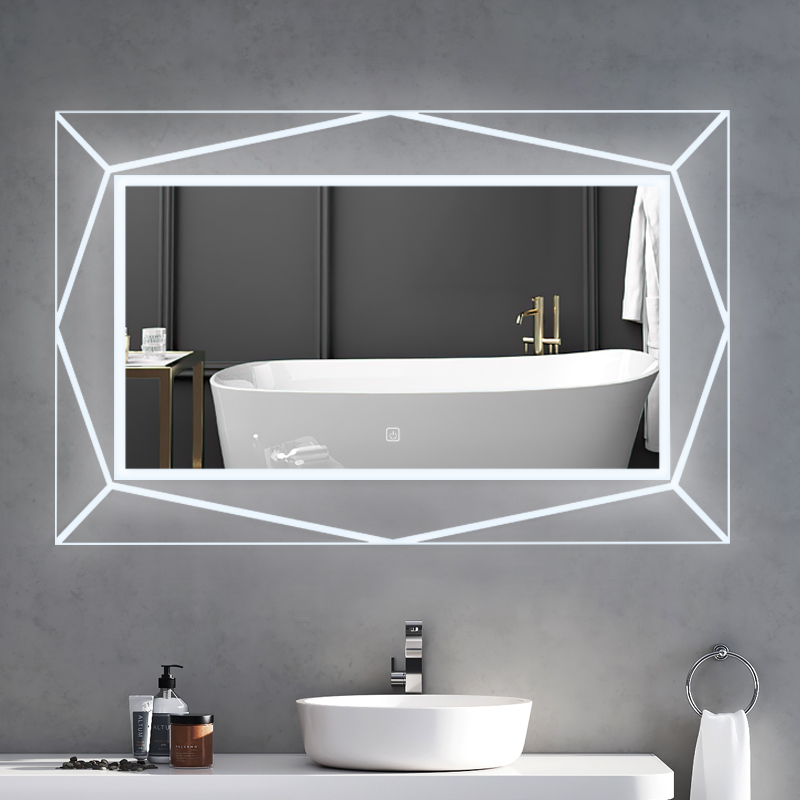
Among the different kinds of mirrors, illuminated mirrors are experiencing the fastest growth in bathroom applications. Integrated LED systems provide more even lighting for grooming, shaving, and makeup application while creating elegant ambient illumination.
Medicine cabinet mirrors are another practical solution. These mirrors combine hidden storage with reflective functionality, helping reduce countertop clutter and improve organization in smaller bathrooms.
Anti-fog technology and waterproof coatings are also becoming increasingly important. Modern buyers expect mirrors to withstand humid environments while maintaining long-term durability and reflection clarity.
At Lofter, our integrated production system enables us to manufacture bathroom mirrors with advanced moisture protection, premium glass quality, and precision LED integration. This allows us to provide reliable mirror solutions for both residential and hospitality applications.
How Are Different Kinds of Mirrors Used in Commercial Spaces?
Commercial interiors depend heavily on different mirrors to enhance customer experience, improve functionality, and strengthen brand aesthetics. Hotels, salons, spas, boutiques, and fitness studios all use mirrors strategically to influence how spaces feel and perform.
Beauty salons require large mirrors with excellent reflection accuracy and lighting quality. Proper mirror placement improves stylist precision while helping clients feel more comfortable and confident.
Hotels often use decorative and illuminated mirrors to create luxurious guest experiences. Premium mirror designs reinforce high-end branding while improving room brightness and spatial perception.
Retail stores frequently integrate standing mirrors and full-length mirrors into fitting areas to improve customer interaction and product presentation. Fitness centers rely on large wall mirrors to enhance visibility and create more dynamic workout environments.
The different kinds of mirrors used in commercial spaces must also meet higher durability standards because they experience heavier daily usage compared with residential applications.
At Lofter, we support commercial buyers with scalable manufacturing capacity, direct pricing advantages, and responsive technical assistance. Our vertically integrated production capabilities allow us to maintain strict quality control while meeting large-scale customization requirements efficiently.
What Should You Consider When Choosing Different Mirrors?
Selecting among different mirrors requires evaluating more than appearance alone. Buyers should carefully consider room size, installation style, lighting conditions, and long-term durability before making a decision.
Reflection Quality
High-quality mirrors should provide distortion-free reflections with excellent optical clarity. Premium glass processing significantly improves visual performance.
Frame Materials
Frame design influences both durability and aesthetics. Aluminum, stainless steel, and engineered wood remain popular choices for modern interiors.
Lighting Integration
Among the different kinds of mirrors, LED mirrors offer major advantages in energy efficiency, visibility, and modern design appeal.
Moisture Resistance
For bathrooms and humid environments, corrosion-resistant coatings and waterproof construction are essential.
Installation Flexibility
Some mirrors support both wall-mounted and freestanding installation, providing greater adaptability for changing interior layouts.
Design Compatibility
The mirror should complement the surrounding architecture, furniture, and decorative style rather than overpowering the space.
At Lofter, every product undergoes careful inspection throughout manufacturing to ensure superior durability, elegant finishes, and long-term reliability. Our integrated production capabilities also allow us to offer customized sizes, shapes, and advanced features based on customer needs.
Why Are Smart and Minimalist Mirrors Leading Future Trends?
Future interior trends increasingly favor mirrors that combine technology, simplicity, and multifunctionality. This shift is reshaping the global demand for different mirrors across both residential and commercial markets.
Minimalist mirrors continue gaining popularity because they align with modern architectural preferences for clean lines and uncluttered spaces. Frameless designs and hidden LED systems create elegant, contemporary aesthetics that work especially well in luxury interiors.
Among the different kinds of mirrors, smart mirrors are emerging as one of the fastest-growing categories. Features such as touch controls, Bluetooth connectivity, anti-fog systems, and adjustable lighting improve user convenience while supporting smart-home integration.
Sustainability trends are also influencing mirror design. Energy-efficient LED systems and durable materials help reduce maintenance costs and environmental impact.
Social media and luxury hospitality design trends further accelerate demand for sophisticated mirror solutions that combine beauty with intelligent functionality.
At Lofter, we continuously invest in advanced manufacturing technologies and innovative product development to stay aligned with evolving market expectations. Our fully integrated production line allows us to deliver modern mirror solutions with dependable quality and efficient lead times.
Conclusion
Understanding the value of different mirrors and the different kinds of mirrors available today helps buyers create more functional, elegant, and visually balanced interiors. From illuminated bathroom mirrors to decorative statement pieces and smart mirror technologies, each mirror category offers unique advantages for modern residential and commercial spaces.
At Lofter, we combine a fully integrated production line, premium materials, advanced manufacturing technologies, and professional technical support to provide reliable, stylish, and high-performance mirror solutions. Whether for bathrooms, salons, hotels, retail environments, or decorative interiors, Lofter remains committed to helping customers create sophisticated spaces with confidence and lasting quality.


 English
 Español
 Deutsch
 Français
 日本語
 Nederlands
 Português
 한국어
 Italiano
 Svenska