

Backlit mirrors are a type of mirror that have built-in lighting behind the mirror surface, creating a soft and even illumination. They are designed to provide both functional lighting and an aesthetic appeal to the mirror. Here’s how backlit mirrors typically work:Light Source: Backlit mirrors feature a light source, usually in the form of LED (Light-Emitting Diode) strips or panels. LED lights are commonly used in backlit mirrors due to their energy efficiency, long lifespan, and ability to produce bright and uniform illumination.Placement: The LED light source is strategically positioned behind the mirror, either along the edges or in a grid pattern across the back of the mirror. The positioning may vary depending on the specific design of the backlit mirror.Light Distribution: The placement of the LED lights is designed to ensure that the light is evenly distributed across the entire mirror surface. This helps to minimize shadows and provide consistent lighting for various tasks, such as makeup application or shaving.
how do backlit mirrors work
Features
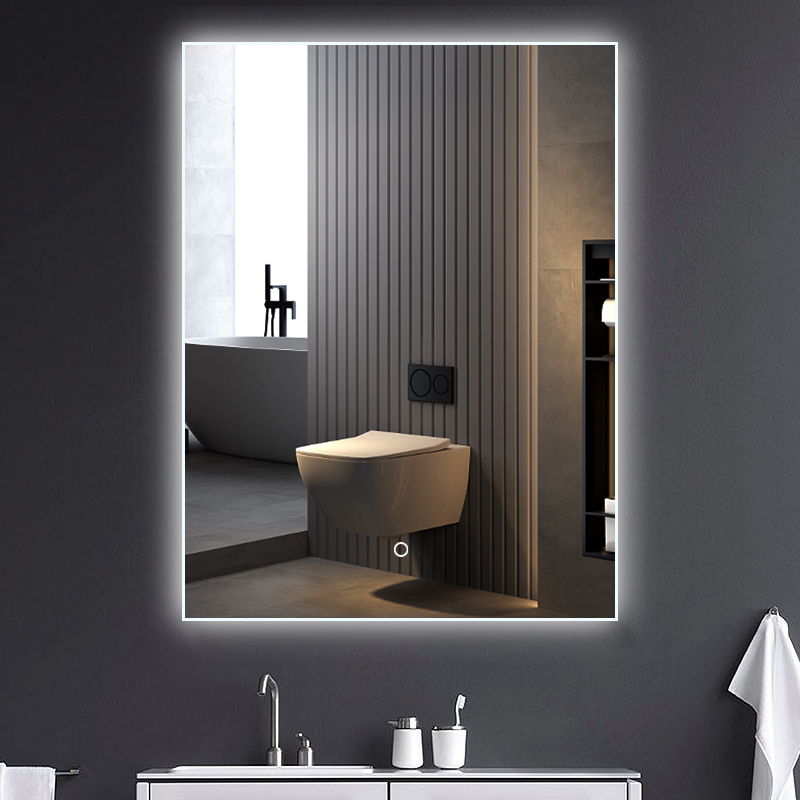
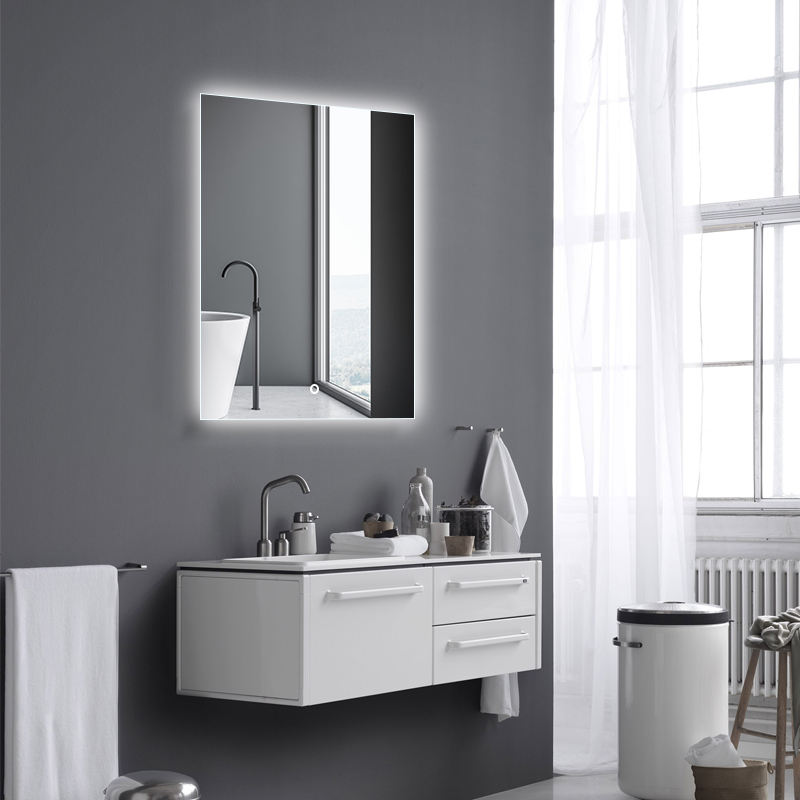
Backlit mirrors are a type of mirror that have built-in lighting behind the mirror surface, creating a soft and even illumination. They are designed to provide both functional lighting and an aesthetic appeal to the mirror. Here’s how backlit mirrors typically work:
Light Source: Backlit mirrors feature a light source, usually in the form of LED (Light-Emitting Diode) strips or panels. LED lights are commonly used in backlit mirrors due to their energy efficiency, long lifespan, and ability to produce bright and uniform illumination.
Placement: The LED light source is strategically positioned behind the mirror, either along the edges or in a grid pattern across the back of the mirror. The positioning may vary depending on the specific design of the backlit mirror.
Light Distribution: The placement of the LED lights is designed to ensure that the light is evenly distributed across the entire mirror surface. This helps to minimize shadows and provide consistent lighting for various tasks, such as makeup application or shaving.
Diffusion Panel: To create a uniform and diffused light effect, backlit mirrors often incorporate a diffusion panel. This panel is placed between the LED light source and the mirror surface, helping to scatter the light and prevent any hot spots or glare. The diffusion panel helps to create a soft and even illumination without causing any harsh reflections on the mirror.
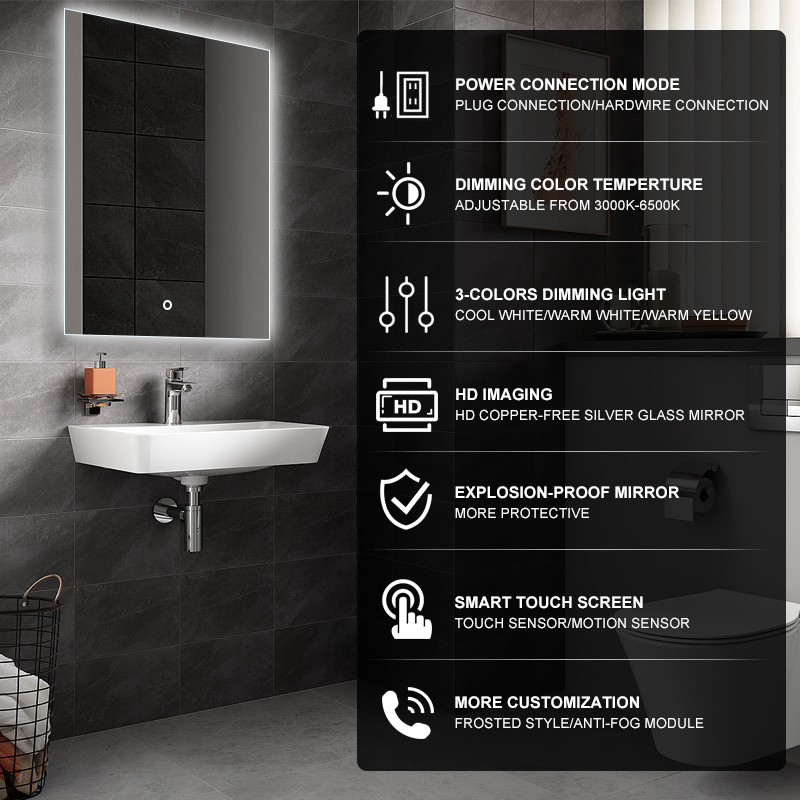
Electrical Connection: Backlit mirrors require an electrical connection to power the LED lights. They are typically hardwired into the electrical system of a space, meaning they are connected directly to the electrical wiring behind the wall. This allows for a clean and seamless installation without visible cords or plugs. Alternatively, some backlit mirrors may have a plug-in option for simpler installation.
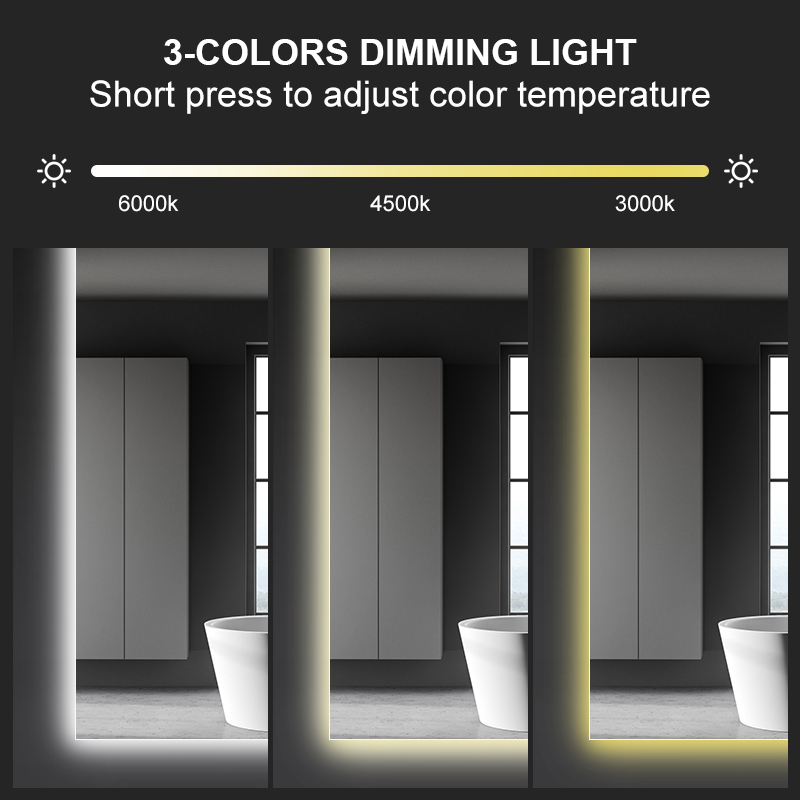
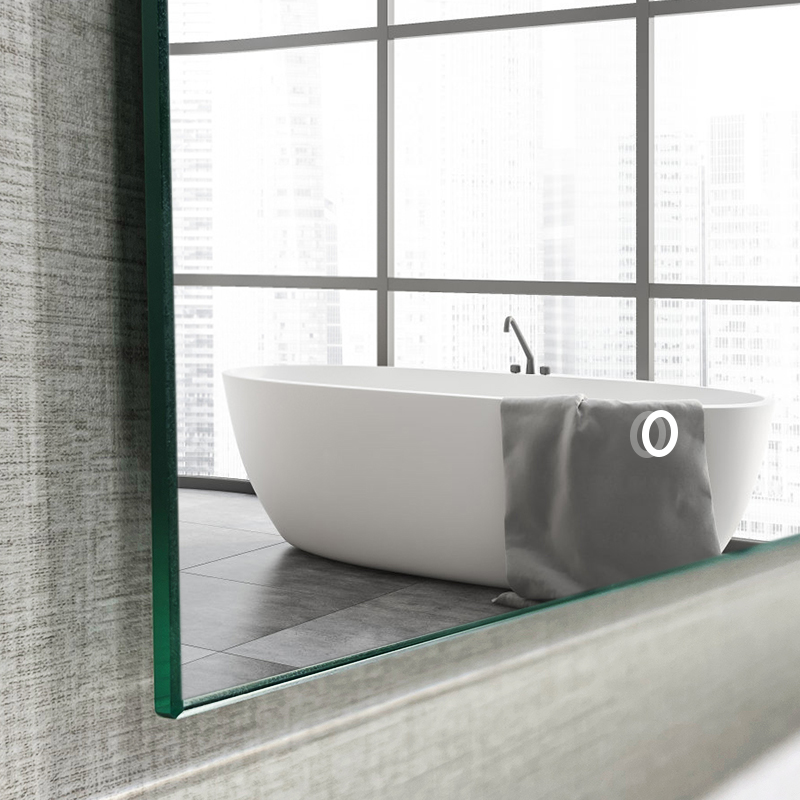
Control Options: Backlit mirrors may come with various control options to adjust the lighting. These can include touch-sensitive controls, motion sensors, or integrated dimmer switches. These controls allow users to adjust the brightness or color temperature of the light to suit their preferences and needs.
Overall, backlit mirrors provide a stylish and functional lighting solution for bathrooms, dressing areas, or vanity spaces. They offer soft, even illumination that enhances visibility and creates a pleasant ambiance. The use of LED technology ensures energy efficiency and long-lasting performance, making backlit mirrors a popular choice for both residential and commercial settings.
 English
  Español
  Deutsch
  Français
  日本語
日本語  Nederlands
  Português
  한국어
한국어  Italiano
  Svenska