



Does your interior still feel dull, cramped, or outdated despite expensive furniture and decorative upgrades?
Modern mirror trends such as mirrord concepts, mirrors picture wall designs, and all mirror decorative styles help create brighter, larger, and more luxurious interiors. Today’s mirrors combine functionality, aesthetics, and advanced technology to enhance bathrooms, salons, hotels, and modern living spaces.
Let’s explore modern mirror trends, applications, and how to choose the right mirror solutions for your space.
What Does Mirrord Mean in Modern Interior Design?
The growing popularity of mirrord design concepts reflects the increasing importance of mirrors in modern architecture and interior decoration. Today, mirrors are no longer viewed simply as reflective surfaces—they have become powerful design tools that influence lighting, space perception, and overall atmosphere.
Modern all mirror interiors often incorporate large reflective surfaces to create openness and visual depth. In luxury bathrooms, salons, and hotels, mirrors are strategically positioned to maximize brightness and enhance the feeling of sophistication.
The concept of mirrors picture styling is also becoming increasingly popular. Instead of using mirrors only for practical reflection, designers now integrate mirrors into decorative wall compositions that resemble artwork or architectural focal points. This trend helps transform ordinary walls into visually dynamic spaces.
Minimalist architecture has further accelerated mirror demand because reflective surfaces complement clean lines and modern aesthetics exceptionally well. Frameless mirrors, illuminated mirrors, and decorative mirror panels are especially common in contemporary residential and commercial projects.
At Lofter, our fully integrated production line allows us to manufacture premium-quality mirrors with consistent craftsmanship, elegant finishes, and reliable durability. By selling directly through our independent website, we provide customers with stylish mirror solutions and professional technical support.
Why Are All Mirror Designs Becoming So Popular?
The rise of all mirror interior concepts is closely connected to modern design preferences for openness, brightness, and minimalist sophistication. Mirrors create powerful visual effects that make spaces feel larger and more luxurious without requiring structural renovations.
In smaller apartments and urban homes, mirrors are often used to reflect natural light and improve spatial perception. Large mirrored walls or decorative mirror panels help reduce feelings of confinement while creating elegant contemporary aesthetics.
Commercial interiors also heavily rely on all mirror design strategies. Hotels use oversized mirrors to enhance guest experiences, salons use reflective walls to improve visibility and stylist precision, and retail stores use mirrors to create more engaging shopping environments.
The mirrors picture trend additionally allows designers to use grouped mirror arrangements as artistic statement pieces. Different mirror shapes, frame styles, and layouts create visually dynamic compositions that add personality and sophistication to interiors.
Another reason for the popularity of mirror-focused interiors is their compatibility with modern lighting technologies. LED-integrated mirrors and backlit mirror walls create premium atmospheres commonly associated with luxury hospitality and high-end residential design.
At Lofter, we continuously invest in advanced manufacturing technologies and innovative product development to support evolving global interior trends while maintaining strict quality standards.
How Do Mirrors Picture Designs Improve Decorative Spaces?
The concept of mirrors picture design combines decorative creativity with practical functionality. Rather than using a single mirror as a standalone object, designers arrange mirrors to function similarly to framed artwork or architectural accents.
This approach allows mirrors to become central visual features within a room while still enhancing brightness and spatial openness. Decorative mirror layouts can include geometric groupings, asymmetrical arrangements, or large framed statement mirrors designed to complement surrounding furniture and décor.
In luxury living rooms and hotel interiors, mirrors picture walls often help create more sophisticated atmospheres while improving natural light distribution. Restaurants and boutiques also increasingly use artistic mirror installations to strengthen brand aesthetics and improve customer experience.
The mirrord trend additionally encourages more experimental use of reflective surfaces within contemporary architecture. Mirrors are now integrated into furniture, wall panels, ceilings, and decorative structures to create modern and immersive interior effects.
High-quality manufacturing remains especially important for decorative mirrors because reflection clarity, edge precision, and coating consistency directly affect visual appearance.
At Lofter, our vertically integrated production process allows us to maintain excellent reflection quality, precision finishing, and customizable design capabilities for both residential and commercial mirror projects.
What Types of Mirrors Work Best for Modern Interiors?
Choosing the right mirror depends heavily on room function, architectural style, and desired visual impact. Different mirror types serve unique purposes across residential and commercial interiors.
Wall-Mounted Mirrors
Wall mirrors remain one of the most versatile solutions for bathrooms, hallways, salons, and hotels because they save space while enhancing brightness.
Decorative Mirrors
Decorative mirrors support mirrors picture styling by acting as artistic focal points that improve visual sophistication.
Illuminated Mirrors
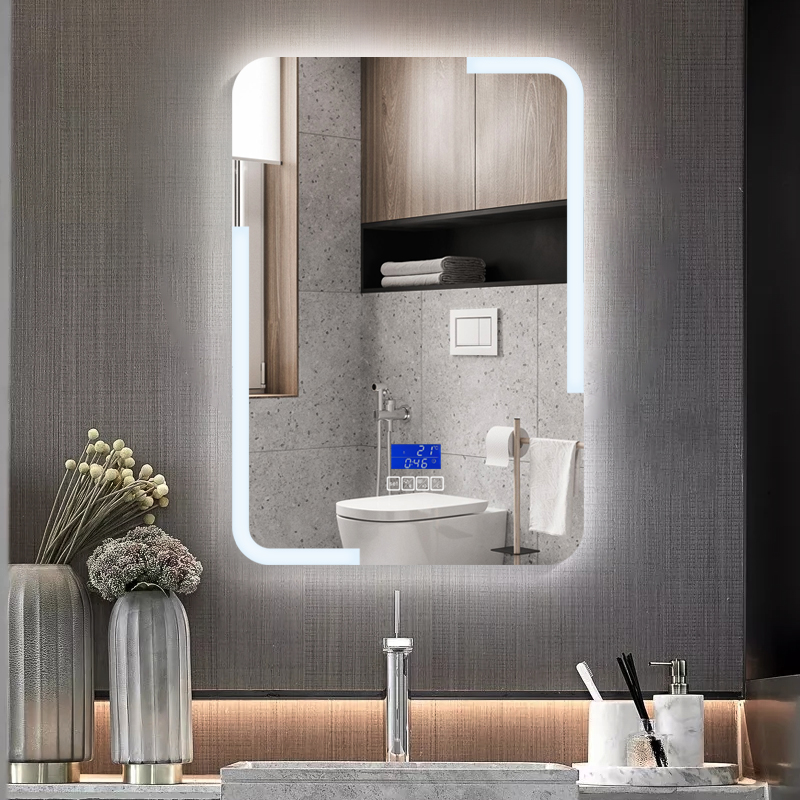
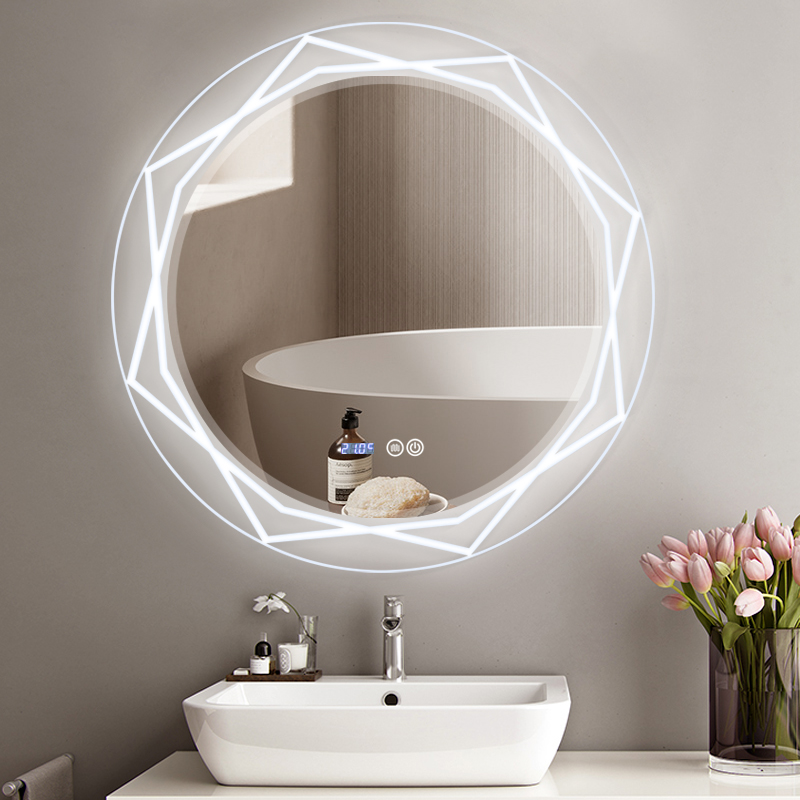
LED mirrors continue gaining popularity because integrated lighting improves functionality while creating luxurious modern aesthetics.
Full-Length Mirrors
Large standing or mounted mirrors help improve spatial perception and are especially effective in bedrooms, dressing rooms, and retail spaces.
Frameless Mirrors
Frameless all mirror designs align perfectly with minimalist architecture and contemporary interiors.
When selecting mirrors, buyers should also evaluate reflection clarity, moisture resistance, frame durability, and installation compatibility.
At Lofter, every mirror undergoes strict quality inspection throughout production. Our integrated manufacturing capabilities allow us to provide customized sizes, advanced lighting integration, and premium finishes tailored to modern design requirements.
Why Are Smart and LED Mirrors Shaping Future Trends?
Modern interior trends increasingly combine technology with minimalist design, making smart mirrors and LED mirrors among the fastest-growing categories in the global market.
The mirrord concept now extends beyond traditional reflection into intelligent functionality. Smart mirrors can include:
- Touch controls
- Adjustable LED lighting
- Anti-fog systems
- Bluetooth connectivity
- Smart home integration
- Interactive displays
These features improve convenience while enhancing modern aesthetics. In bathrooms and salons, illuminated mirrors create balanced lighting conditions that improve grooming accuracy and customer experience.
The all mirror trend also benefits from hidden lighting technologies such as backlit mirror systems and integrated LED edge illumination. These solutions create soft ambient lighting while reducing visual clutter within interiors.
Sustainability trends further support LED mirror adoption because modern LED systems consume less energy and provide longer operational lifespans compared with traditional lighting technologies.
At Lofter, we continuously develop advanced mirror solutions that combine elegant design, intelligent functionality, and dependable performance. Our fully integrated production line allows us to maintain strict quality standards while adapting quickly to evolving market demands.
How Does Integrated Manufacturing Improve Mirror Quality?
The long-term performance of any mirrord or all mirror solution depends heavily on manufacturing quality and production consistency. Poorly manufactured mirrors may suffer from distortion, corrosion, lighting failures, or reduced durability over time.
A fully integrated production system offers major advantages because it allows manufacturers to control every stage of production, including:
- Glass processing
- Reflective coating application
- Frame fabrication
- LED integration
- Surface finishing
- Final quality inspection
This level of control improves product reliability, reflection clarity, and customization efficiency.
For decorative mirrors picture applications, precise edge finishing and coating consistency are especially important because visual imperfections become highly noticeable in premium interior environments.
At Lofter, our vertically integrated manufacturing process enables us to maintain stable quality standards across every product we produce. By managing production internally, we can provide dependable craftsmanship, competitive direct pricing, and responsive technical support for residential and commercial customers worldwide.
Conclusion
Modern mirror trends such as mirrord concepts, mirrors picture wall designs, and all mirror interiors are transforming how residential and commercial spaces are designed. Mirrors now serve not only practical purposes but also play major roles in lighting, decoration, spatial enhancement, and smart interior functionality.
At Lofter, we combine a fully integrated production line, advanced manufacturing technologies, premium materials, and professional technical support to deliver reliable, stylish, and high-performance mirror solutions. Whether for bathrooms, salons, hotels, retail spaces, or decorative interiors, Lofter remains committed to helping customers create elegant and sophisticated spaces with confidence and lasting quality.

 English
 Español
 Deutsch
 Français
 日本語
 Nederlands
 Português
 한국어
 Italiano
 Svenska