

Frustrated by the high cost of LED mirrors? Poor understanding can lead to regretful purchases. Let’s uncover the true reasons and make smarter buying decisions.
LED mirrors cost more due to integrated lighting technology, premium materials, smart features, custom design, and high shipping standards—combining utility, aesthetics, and innovation in one product.
Let’s dive deeper to see what justifies the price.
LED Technology And Integration
At the core of every LED mirror is the light-emitting diode (LED) system, which is far more advanced than traditional lighting. Unlike standard bulbs, LEDs are energy-efficient, long-lasting, and require specific integration methods to distribute light evenly across the mirror surface. This precision demands engineered light panels, diffusers, and circuitry—each contributing to the overall cost.
More importantly, these lights are seamlessly integrated behind the glass using backlighting or edge-lighting systems. This requires optical-grade materials and specific spacing to avoid hotspots or dark areas. Unlike sticking a bulb on a wall, manufacturers must layer the LED system within the frame, with built-in safety and insulation.
Additionally, many LED mirrors come with touch sensors, dimmers, and color temperature adjustments. These require smart chips and power drivers, which are costlier to produce and harder to install. You’re not just buying a mirror; you’re investing in an advanced lighting solution.
Advanced Features
Modern LED mirrors often include high-tech features that go far beyond reflection. These additions add considerable value—but also cost. Many models come with touch-sensitive controls, anti-fog systems, motion sensors, and dimmable lighting. Smart mirrors may include Bluetooth speakers, digital clocks, weather displays, and even voice assistants.
Each of these features requires internal circuitry, wireless modules, software integration, and precise assembly. The engineering required to combine them into a seamless, user-friendly product is both complex and labor-intensive. Companies invest in R&D to ensure compatibility, reliability, and safety for in-home use.
Furthermore, these features need to be waterproof, especially for bathroom installations. That means meeting strict IP ratings for water and dust resistance—another factor that raises production costs. Every feature that enhances convenience, luxury, and smart living in LED mirrors contributes to the premium price tag.
Premium Materials
Unlike traditional mirrors that may use basic float glass and simple plastic frames, LED mirrors are constructed with high-grade materials to support both the electronics and aesthetics. The glass is usually copper-free, shatter-resistant, and coated for anti-corrosion and high reflectivity. This level of quality ensures long-term durability and optical clarity.
The frames, if present, are typically made from anodized aluminum, stainless steel, or engineered polymer composites that are resistant to moisture, oxidation, and deformation. These materials support internal components and ensure the mirror remains structurally sound for years.
Behind the glass, the LED light panel is protected by heat-dissipating layers and high-quality insulation to prevent overheating. Inferior materials not only reduce lifespan but pose a fire hazard. For these reasons, premium LED mirrors prioritize certified, high-performing components—driving up production costs, but ensuring safety and reliability.
Manufacturing And Labor Costs
Creating an LED mirror is far from a mass-assembly-line operation. Many units are made in small batches or even semi-manually to ensure quality. Assembly involves integrating delicate glass panels with LED arrays, wiring, transformers, and control systems—all of which require precision.
Skilled labor is essential, particularly when installing touch sensors or anti-fog technology. Mistakes in the alignment of lighting or circuitry can ruin the product’s function and visual appeal. In high-end LED mirrors, manufacturers often perform rigorous quality control testing before shipping. Each unit may be tested for power supply compatibility, illumination uniformity, and user interface reliability.
Furthermore, global labor costs are rising, especially in countries with strict labor standards and safety compliance. When a brand commits to ethical sourcing and fair wages, these values are reflected in the product’s final price—but also in its trustworthiness.
Design And Customization
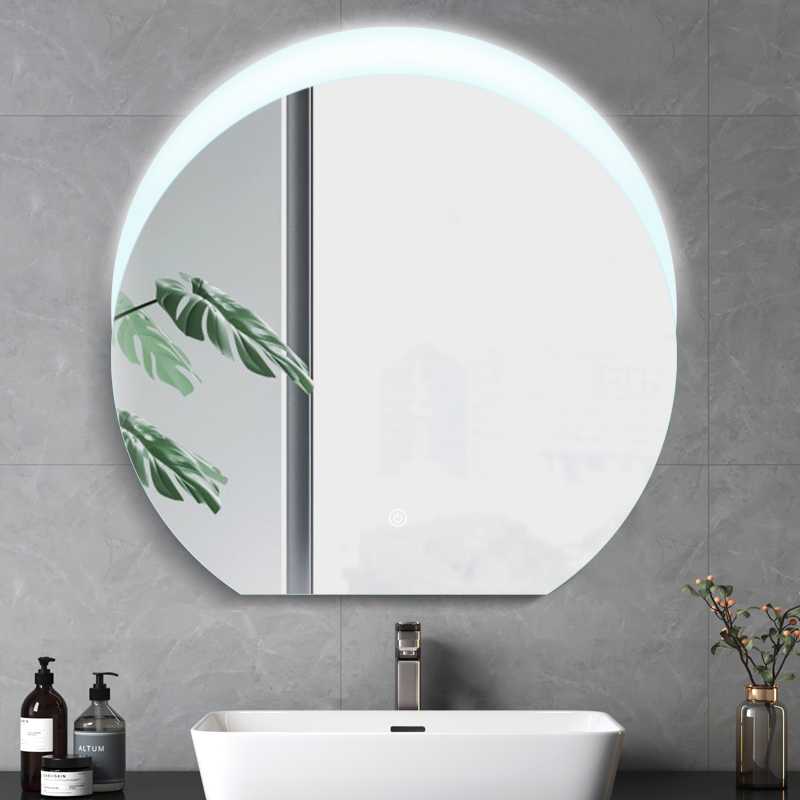
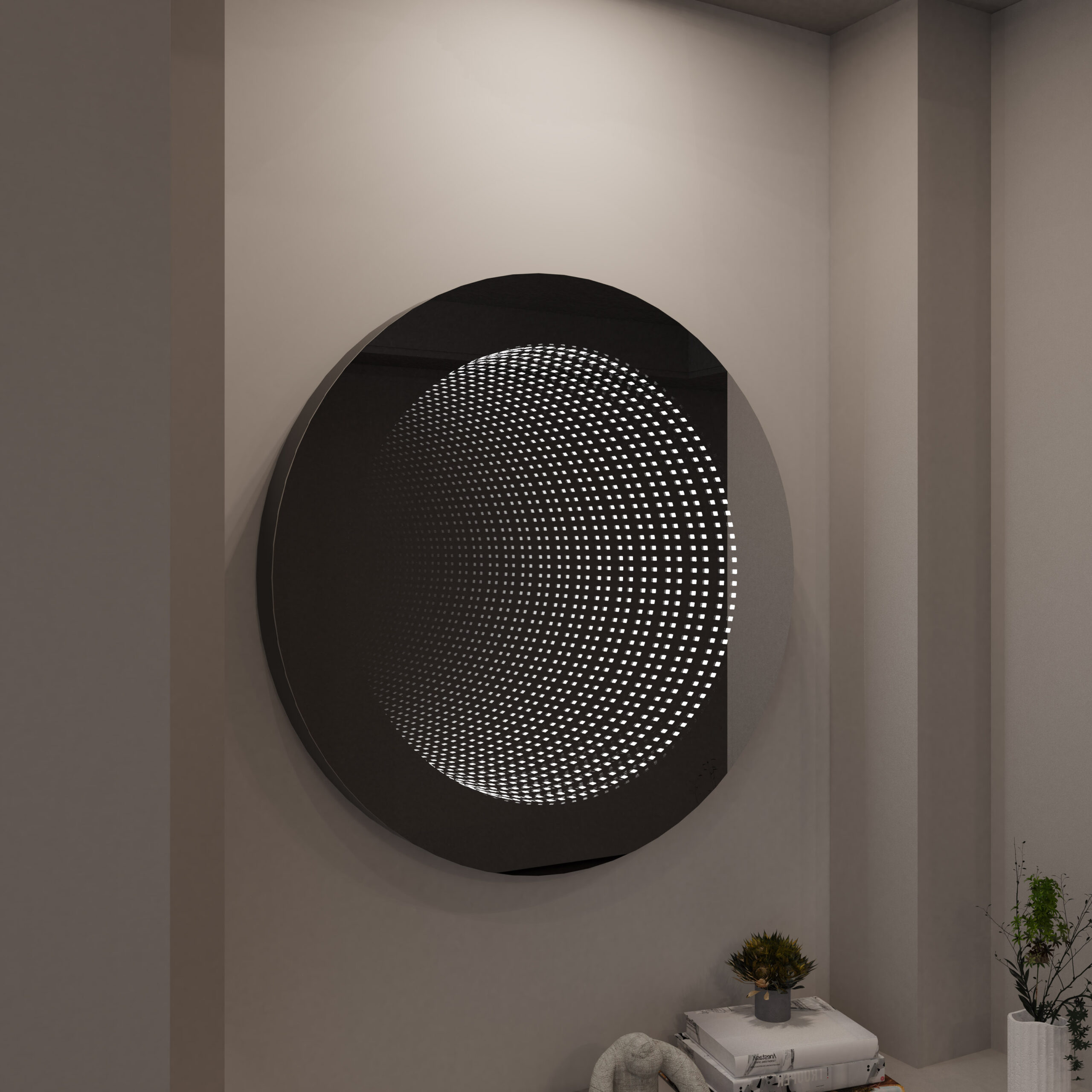
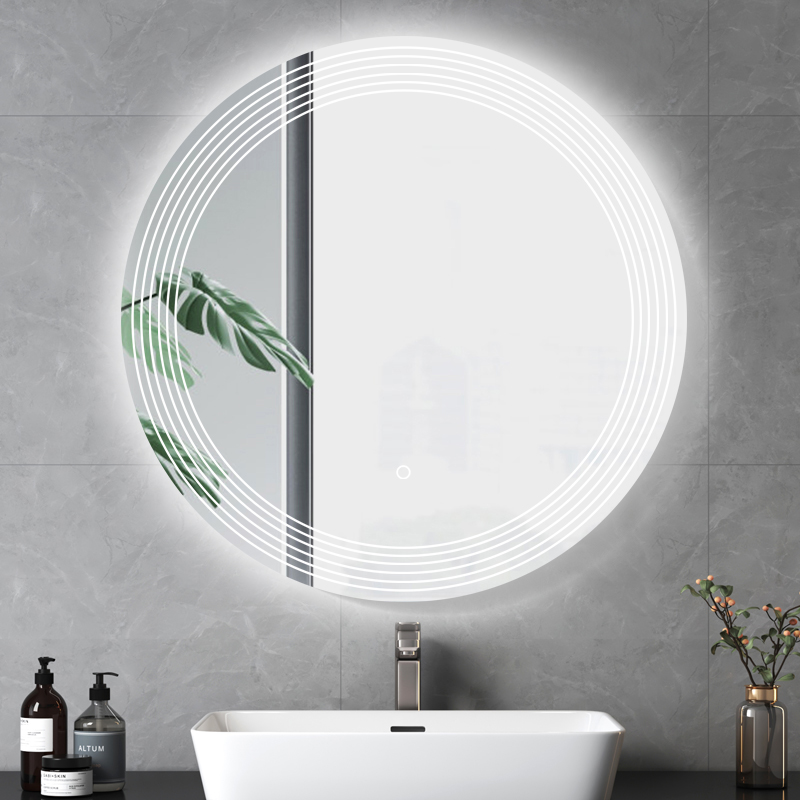
LED mirrors are not just bathroom fixtures—they are often centerpieces of interior design. As such, many buyers seek models that match their style, wall size, and lighting needs. This demand for custom sizes, framing options, color temperatures, and even backlit logo engravings requires a flexible manufacturing process and design support.
Some companies offer complete customization—letting clients select width, height, LED hue (warm, neutral, cool), dimmability, smart features, and more. These personalized touches add labor hours and material variation, which affect inventory, production time, and shipping logistics.
Moreover, designers often collaborate with interior architects to produce mirrors that complement high-end spas, hotels, and modern homes. These custom-tailored products require 3D modeling, prototyping, and refined finishing. Unlike mass-market mirrors, these bespoke LED mirrors carry a price tag that reflects their uniqueness and aesthetic value.
Brand And Market Positioning
The price of LED mirrors is not just about hardware—it’s also influenced by brand reputation and market positioning. Premium mirror brands invest heavily in product development, customer support, warranties, and user experience. They provide sleek packaging, clear manuals, responsive service, and robust after-sales care.
Luxury or mid-to-high-end brands position themselves as lifestyle providers, not just utility suppliers. Their products are marketed through high-quality visuals, influencer collaborations, and showroom placements. These branding efforts increase visibility and consumer trust—but also raise the final retail price.
Consumers are often willing to pay more for brands they recognize and trust, especially for fixtures that integrate with electricity and will be installed long-term. A $300 LED mirror from a reputable brand may actually be a better investment than a $100 one with unknown quality or support.
Packaging And Shipping
Due to their fragile nature and built-in electronics, LED mirrors require specialized packaging and shipping protocols. Unlike simple mirrors or flat boxes, LED mirrors are often bulky, heavy, and require padded protection on all sides. Shipping companies must handle them with extra care to avoid breakage during transit.
Manufacturers use custom-cut foam, double-corrugated boxes, and shock-resistant packaging to prevent vibration damage to internal circuits. For mirrors over 36 inches, freight shipping may be necessary—drastically increasing the shipping cost, especially for international orders.
In many cases, insurance is included to cover damages, and brands must absorb return shipping or replacement logistics. These post-sale protections are all factored into the product’s retail price. Simply put, getting a high-quality, fully functional LED mirror from the factory to your wall is a costly, multi-step operation.
SUMMARY
LED mirrors combine beauty, tech, and durability—so their price reflects their premium value.

 English
  Español
  Deutsch
  Français
  日本語
日本語  Nederlands
  Português
  한국어
한국어  Italiano
  Svenska