

Choosing the wrong Mirror can disrupt function and aesthetics—creating distortion, poor lighting, or a cramped feel. Learn the best types for a perfect home.
Residential homes commonly feature plane mirrors, convex and concave mirrors, non-reversing mirrors, and full-length mirrors—each offering unique reflection properties, design functions, and practical uses in daily life.
Let’s explore how each Mirror type serves your living space.
Plane Mirrors
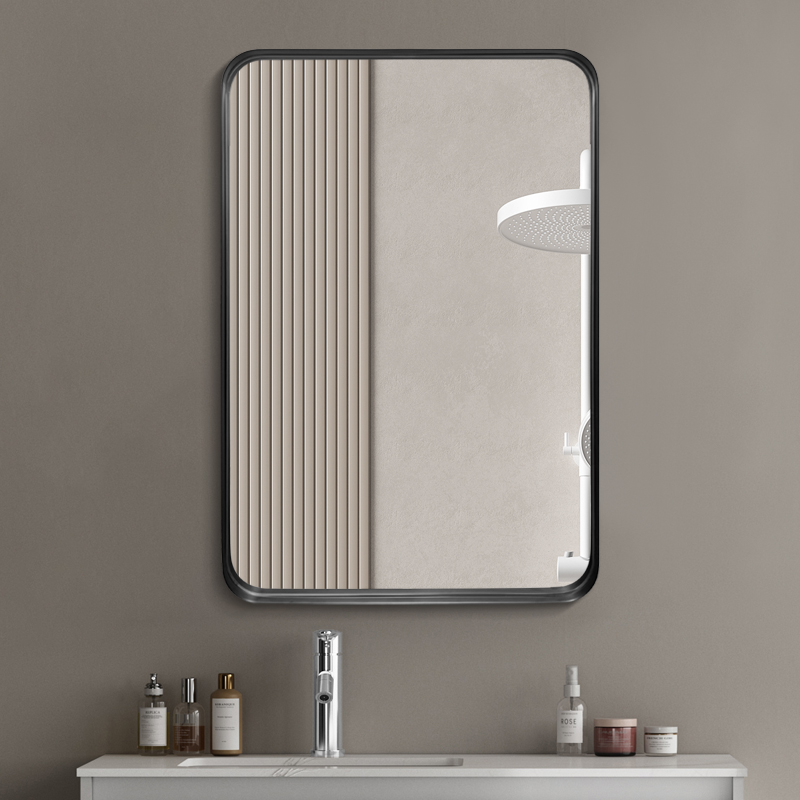
Plane mirrors are the most common Mirror type found in homes. These flat-surfaced mirrors reflect images in their true proportions, offering an undistorted and accurate representation. They’re widely used in bathrooms, hallways, and bedrooms, where clear reflection is necessary for grooming, dressing, or interior decor. Because plane mirrors reflect light directly back, they also enhance room brightness and create a sense of added space—especially in smaller rooms or apartments.
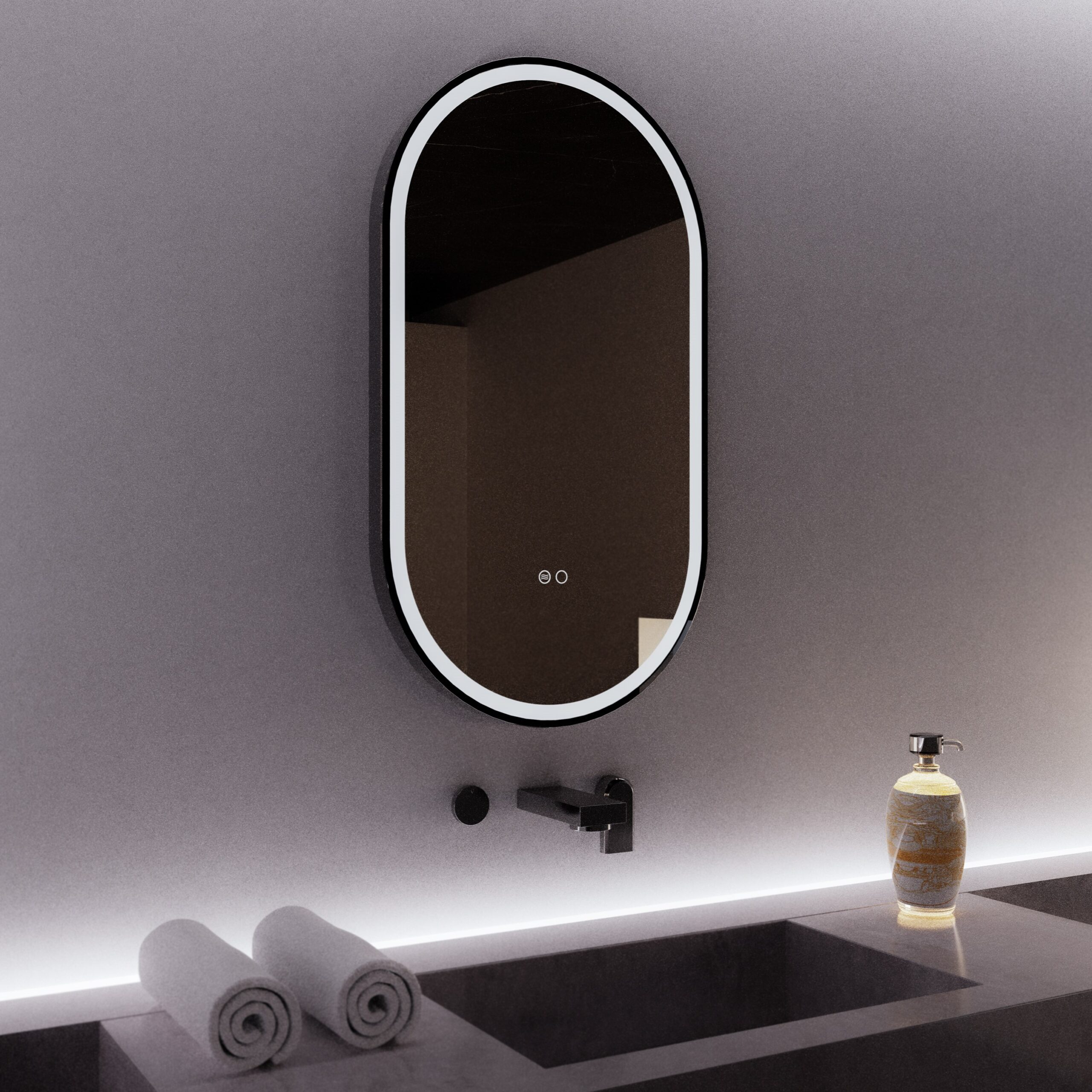
In terms of design, plane mirrors are highly versatile. They can be framed or frameless, mounted horizontally or vertically, and cut into decorative shapes to match the aesthetics of modern or traditional interiors. One of the biggest advantages of this Mirror type is its simplicity. It does not warp or manipulate the image, making it ideal for everyday household use. Whether used as a wall feature or a functional tool near a vanity, plane mirrors serve as the standard for clarity and practicality.
Convex Mirrors
Convex mirrors curve outward and reflect a wider field of view than flat mirrors. This makes them especially useful for areas that require visibility beyond a narrow scope—like entryways, garages, or corners. In residential homes, convex mirrors are often used for security or safety purposes. For example, placing one near a driveway exit helps homeowners see oncoming traffic or pedestrians before pulling out.
The image reflected by a convex Mirror appears smaller and slightly distorted, but this distortion allows for a broader perspective. While less common for decorative purposes due to their curvature, convex mirrors can also add a stylish, modern flair to interior design when used artistically. They introduce an element of interest and movement in a space and are occasionally seen in living rooms or stairwells where panoramic reflection enhances depth and dynamism. Just note: these mirrors prioritize function over precision reflection.
Concave Mirrors
Unlike convex mirrors, concave mirrors curve inward—similar to the shape of a bowl. This Mirror type reflects light in a way that magnifies the object in focus, making it perfect for detail-oriented tasks. You’ll often find concave mirrors in bathrooms as part of makeup mirrors, shaving mirrors, or magnifying mirrors. They allow users to see facial features or small details more clearly than flat mirrors would permit.
In residential homes, concave mirrors are usually small and portable rather than wall-mounted. However, decorative versions do exist, sometimes installed in creative or eclectic home designs to create dramatic effects with light and perspective. It’s important to position concave mirrors correctly; when placed too far from the user, the image can become inverted. Therefore, they’re best used at close range and for specific functions that require precision. A well-chosen concave Mirror enhances both beauty routines and technical grooming tasks.
Non-Reversing Mirrors
Most mirrors reverse left and right—meaning your reflection is actually a mirrored version of yourself. Non-reversing mirrors, also known as true mirrors, correct this by using two mirrors joined at a right angle to reflect your actual image as others see you. Though rare in residential homes, this Mirror type is gaining popularity among those interested in self-awareness, fashion fitting, or realistic makeup application.
In everyday use, a non-reversing Mirror can feel slightly disorienting at first, because we’re used to seeing ourselves mirrored. But for tasks like applying makeup symmetrically or checking posture and alignment, this Mirror type provides a more accurate perspective. Artists, performers, and stylists often value non-reversing mirrors for professional reasons, but homeowners who care deeply about their self-presentation may also install them in dressing rooms or bathrooms. While more expensive than standard plane mirrors, they offer a unique and revealing viewing experience.
Full-Length Mirrors
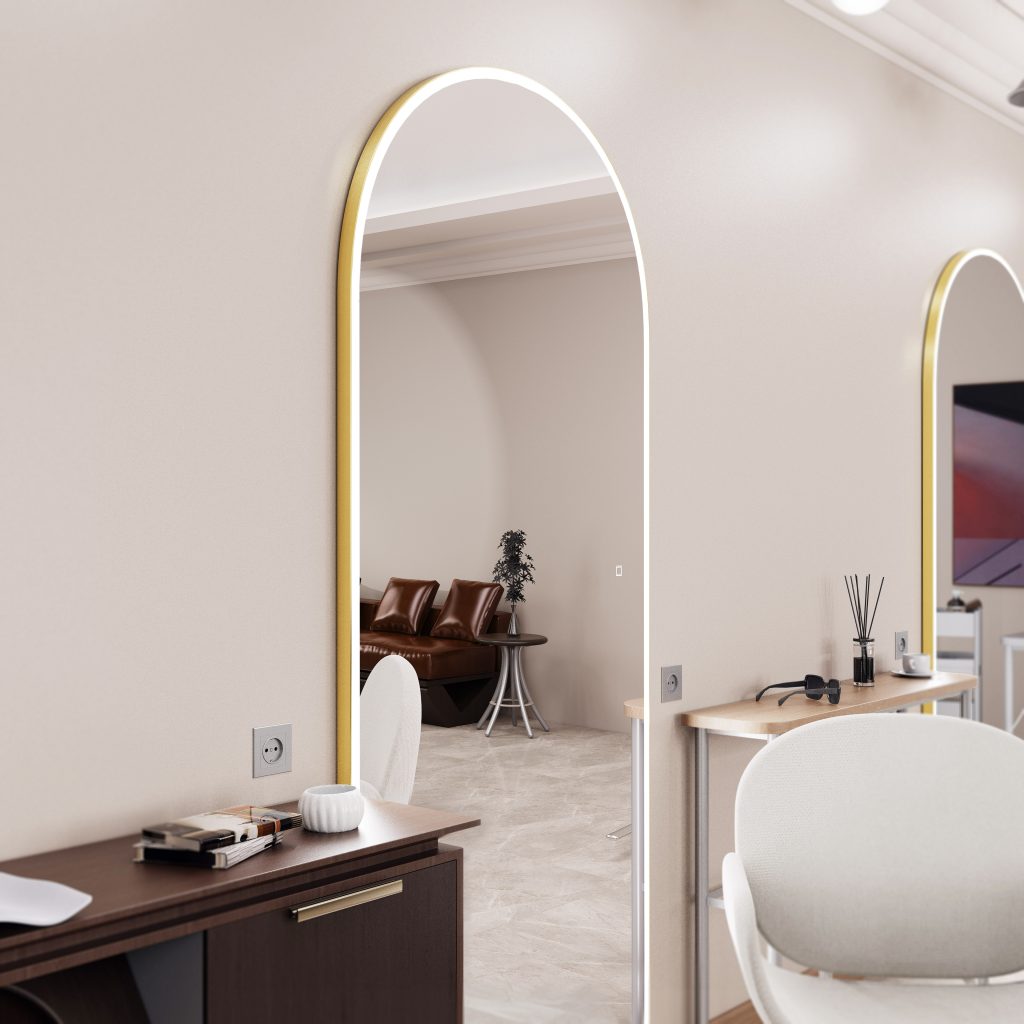
A staple in bedrooms, dressing rooms, and entryways, full-length mirrors are essential for evaluating your appearance from head to toe. Typically ranging from 4 to 6 feet tall, these plane mirrors can be mounted on doors, leaned against walls, or framed and hung vertically. Their primary function is practical: to help users assess entire outfits, check footwear, or make grooming decisions. But full-length mirrors also contribute significantly to home aesthetics.
By reflecting floor-to-ceiling light and views, they can make small rooms appear larger and brighter. Some models come with built-in lighting, smart features like anti-fog coating, or integrated storage—like jewelry cabinets. Whether minimalist or ornate in design, full-length mirrors are among the most functional and stylish types of mirrors for any home. Their versatility and daily use make them an indispensable Mirror type in most modern households.
Different Types of Mirrors and Their Uses
While we’ve focused on the primary functional types, mirrors in residential homes come in many styles, shapes, and materials—each serving different purposes. Wall mirrors, floor mirrors, decorative accent mirrors, frameless mirrors, and even mirrored furniture expand the boundaries of Mirror usage. These variations may use different Mirror types—like convex, plane, or even antique glass—to achieve a specific effect or design goal.
For example, beveled edge mirrors offer a refined touch to luxury spaces, while tinted or smoked mirrors introduce mood and depth in lounges or dining areas. Frameless mirrors offer a sleek, contemporary vibe, often used in minimalist bathrooms. On the other hand, decorative mirrors shaped like suns, flowers, or abstract forms can serve as both art and functional objects.
Choosing the right Mirror depends on your needs: Do you want clarity? Illusion of space? Enhanced light? Or perhaps a statement piece? Knowing the different types helps homeowners select the perfect Mirror for both form and function.
SUMMARY
Choosing the right Mirror improves both your space and your lifestyle.

 English
  Español
  Deutsch
  Français
  日本語
日本語  Nederlands
  Português
  한국어
한국어  Italiano
  Svenska