

Struggling with poor lighting in your bathroom? Bad mirrors can ruin your daily routine. Discover how LED bathroom mirrors can solve this once and for all.
LED bathroom mirrors offer sleek design, energy efficiency, and smart features—but they also come with higher costs and installation considerations. Know the benefits and drawbacks before making your choice.
Let’s explore if LED bathroom mirrors are truly worth it.
What Is An LED Bathroom Mirror?
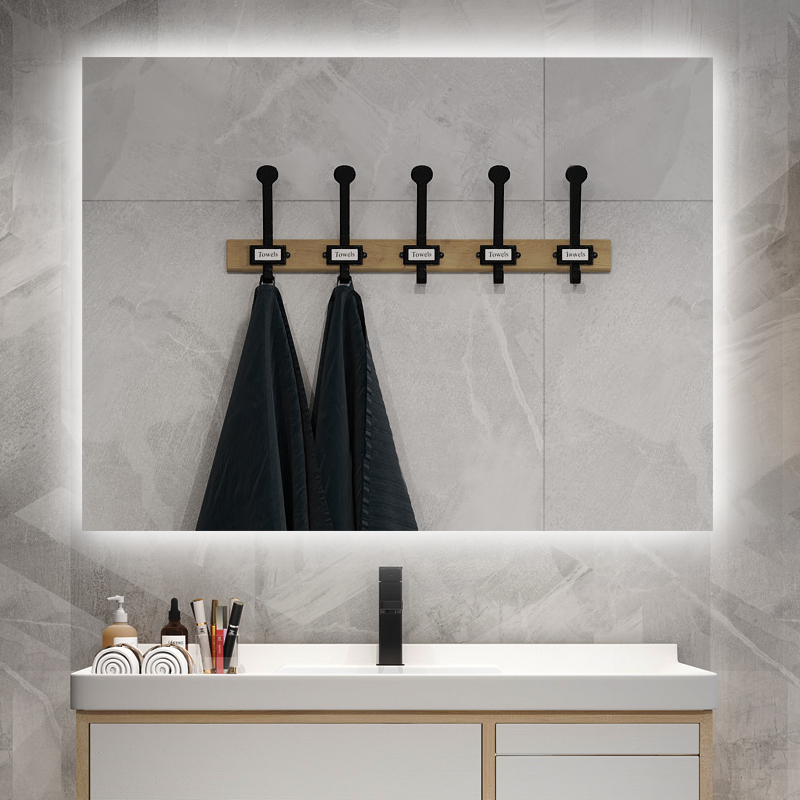
An LED bathroom mirror is a modern fixture that combines reflective glass with built-in LED lighting. These mirrors are designed to enhance visibility, add ambiance, and offer functional lighting for grooming tasks like shaving, makeup application, or skincare. Unlike traditional mirrors that rely on external light sources, LED bathroom mirrors provide uniform, shadow-free illumination right where it’s needed.
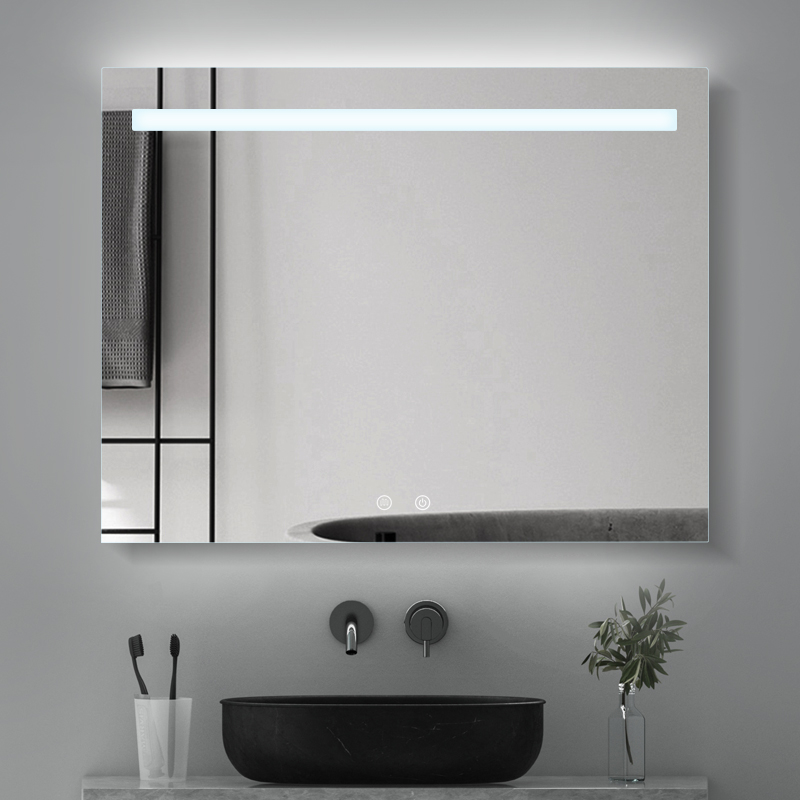
Typically, these mirrors feature LED lights embedded around the edges or behind the glass surface. Some models also include advanced features such as touch sensors, dimmable lighting, anti-fog capabilities, smart display screens, and even Bluetooth connectivity. The integration of technology transforms the mirror into both a functional tool and a stylish centerpiece.
LED bathroom mirrors are available in various shapes, sizes, and finishes, making them suitable for a wide range of bathroom styles—from minimalist to luxurious. Whether wall-mounted or recessed, they are engineered to offer both efficiency and elegance in bathroom design.
The Pros Of LED Bathroom Mirrors
One of the biggest advantages of LED bathroom mirrors is the quality of light they provide. LED lighting is bright, energy-efficient, and long-lasting. The illumination is often closer to natural daylight, which enhances visibility and ensures accurate makeup application or shaving. Unlike harsh overhead bulbs, LEDs embedded in the mirror reduce glare and create an even lighting surface.
Another pro is their energy efficiency. LED lights consume less power than incandescent or fluorescent bulbs, which means lower electricity bills and a reduced environmental footprint. Many mirrors are also designed to last 50,000 hours or more without needing replacement bulbs.
Functionality goes beyond lighting. Many LED bathroom mirrors offer anti-fog features, which prevent condensation from clouding the surface after a hot shower. Touch controls, brightness adjustments, and smart timers add to their user-friendly nature. Some models even come with built-in clocks, temperature displays, or motion sensors for a touchless experience.
Aesthetically, LED mirrors elevate modern bathrooms. Their sleek, frameless look fits contemporary design trends, and their ability to visually enlarge small spaces makes them a smart choice for compact bathrooms. All in all, they bring technology, energy savings, and style into one fixture.
The Cons Of LED Bathroom Mirrors
Despite their many advantages, LED bathroom mirrors do come with drawbacks. The most notable is cost. These mirrors tend to be more expensive than standard models due to the integrated lighting and smart features. High-end versions with touch sensors, Bluetooth, or temperature control can be significantly pricier.
Another concern is installation complexity. Unlike regular mirrors that simply hang on a hook, LED mirrors may require professional installation—especially if hardwiring into your home’s electrical system is needed. DIY installation can be risky if not done correctly, and hiring an electrician adds to the overall expense.
Maintenance and repair can also be challenging. If the LED light or internal electronics malfunction, it’s not always as simple as changing a bulb. Depending on the model, you may need to replace the entire unit or contact the manufacturer for servicing, which might not be feasible for every homeowner.
Additionally, while many models offer anti-fog features, not all do. Some budget versions may lack essential features or use lower-quality materials, leading to faster degradation. Always check specs carefully to ensure the mirror meets your expectations.
Lastly, LED bathroom mirrors are a modern style choice—which may not fit well in traditional or rustic interiors. They are sleek and futuristic, so in some designs, they could look out of place or overly technical.
How To Choose The Right LED Bathroom Mirror
Choosing the right LED bathroom mirror involves balancing aesthetics, features, and budget. Start by considering the size of your space. For small bathrooms, a rectangular vertical mirror can make the room appear taller, while wider horizontal mirrors work well in double vanities or larger rooms.
Next, assess the lighting needs. Look for models with adjustable brightness and color temperature settings, which allow you to switch between cool and warm tones depending on the time of day or your task. If shaving or makeup is a priority, opt for mirrors with CRI (Color Rendering Index) above 90, which provide accurate color reproduction.
Evaluate the mirror’s mounting style. Wall-mounted mirrors are more common, but some designs allow for recessed mounting, offering a flush look. Check the wiring type as well: do you want a plug-in model for easy installation, or are you willing to hardwire the mirror for a seamless, cable-free appearance?
Consider added features like anti-fog, touch sensors, smart memory functions, or even Bluetooth audio. While these add cost, they also increase the mirror’s convenience and value over time. Make sure the mirror is certified for bathroom use, with appropriate waterproof ratings and safe electrical components.
Finally, choose a design that fits your bathroom’s theme—minimalist, luxury, industrial, or classic. From backlit frameless options to framed LED designs, the market offers a range of choices to suit every style.
SUMMARY
LED bathroom mirrors offer a mix of function and elegance—understand both sides before you install one.


 English
  Español
  Deutsch
  Français
  日本語
日本語  Nederlands
  Português
  한국어
한국어  Italiano
  Svenska