

A dull bathroom design can ruin your morning mood. Poor mirror choice worsens the aesthetic, creating clutter and reducing light reflection. The right Bathroom Mirror design solves these issues stylishly.
Choosing between framed and frameless Bathroom Mirrors depends on your bathroom’s style, size, and maintenance preferences. Framed mirrors add decorative flair, while frameless mirrors offer modern simplicity and easy upkeep.
Let’s explore both types in depth so you can select the perfect Bathroom Mirror for your space.
Framed Bathroom Mirrors
Framed Bathroom Mirrors are classic and versatile, offering a sense of structure and decoration. These mirrors typically come with wooden, metal, or plastic frames that add texture and personality to your bathroom. The frame acts as a protective barrier, reducing the risk of edge chipping and oxidation—a common issue in moisture-prone spaces like bathrooms.
A major advantage of framed mirrors is design flexibility. You can choose ornate, minimalist, rustic, or modern frames to match your overall decor. Framed mirrors often become statement pieces that define the style of your vanity area. However, they can occupy slightly more wall space due to the added frame thickness and may require more care to prevent mold or warping if made from wood.
In terms of cost, framed Bathroom Mirrors tend to be slightly more expensive than frameless ones, mainly due to the added material and craftsmanship involved. But for those seeking durability and style, framed mirrors remain a reliable and elegant option.
Frameless Bathroom Mirrors
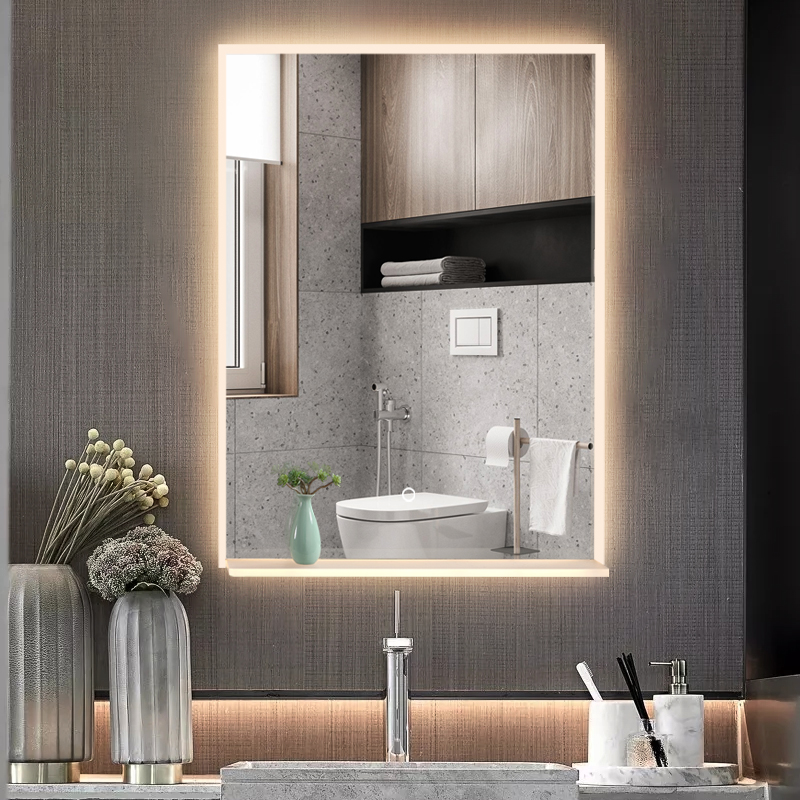
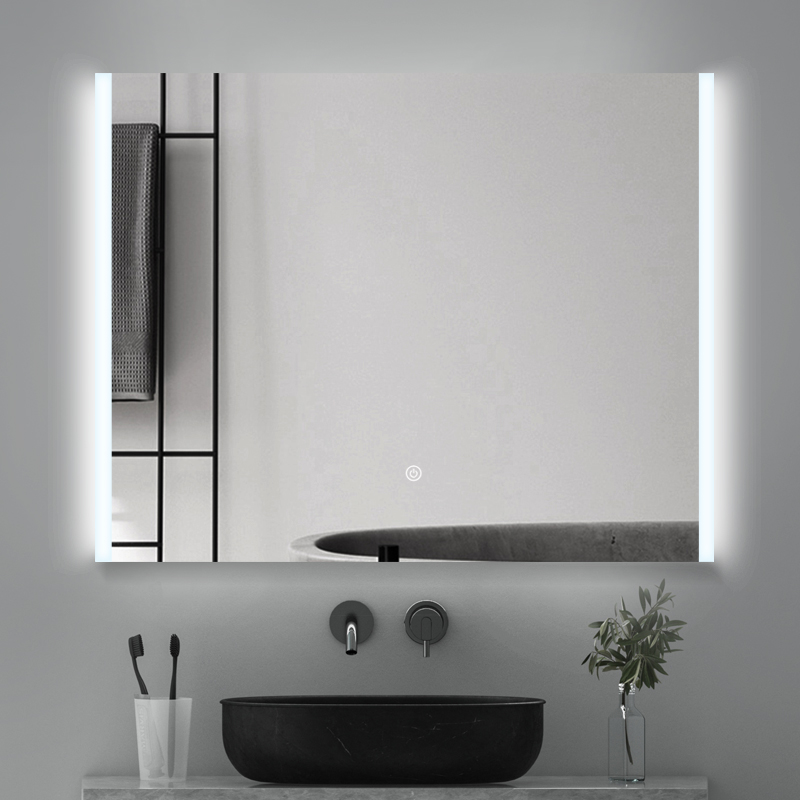
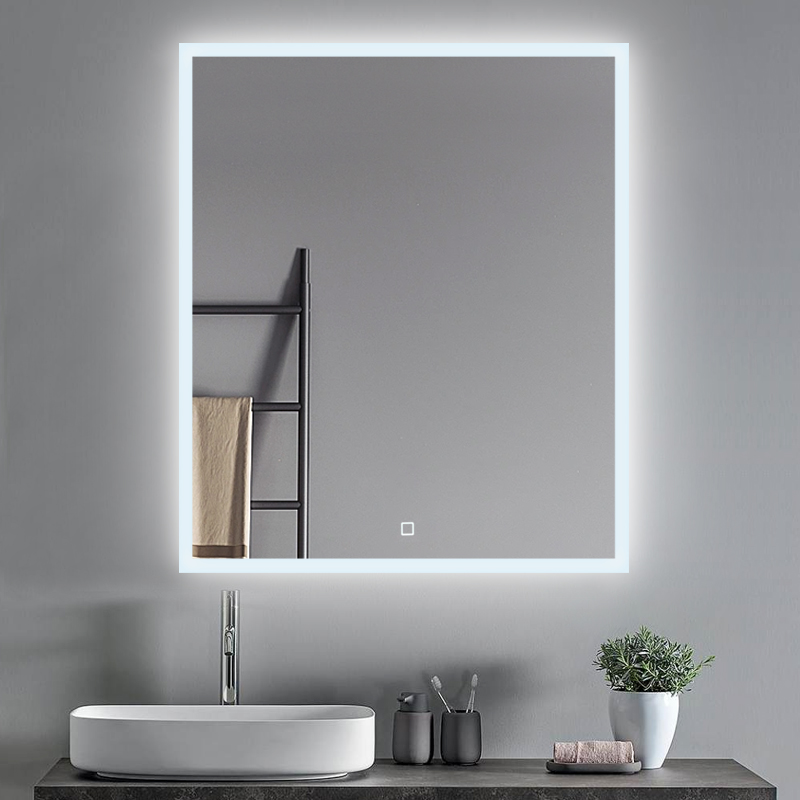
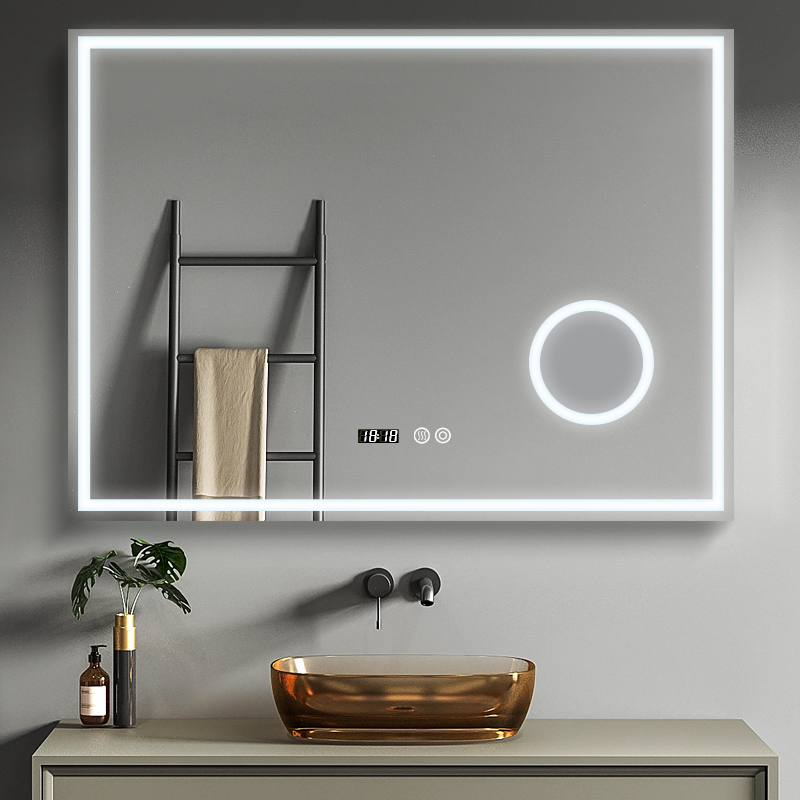
Frameless Bathroom Mirrors embody minimalism and elegance. They feature clean edges and a seamless look, making them perfect for modern and contemporary interiors. Without a frame, the mirror appears larger and helps reflect more light, giving your bathroom a spacious and airy feel.
One key benefit is their low-maintenance design. With no frame to collect dust or moisture, frameless mirrors are easier to clean and maintain. They’re also ideal for small bathrooms where every inch counts—the thin profile allows for a sleeker installation that doesn’t overpower the room.
However, frameless mirrors can be more vulnerable at the edges if not properly sealed or mounted. They may require professional installation to ensure they’re securely fixed to the wall, especially if heavy or oversized. Despite this, their simplicity and modern aesthetic make them a top choice for homeowners who favor functionality with sophistication.
What Is The Real Difference Between Framed And Frameless Mirrors?
The real distinction between framed and frameless Bathroom Mirrors lies in appearance, maintenance, and durability. Framed mirrors include a visible border that adds style and protection, while frameless mirrors are all about sleekness and simplicity.
From a design standpoint, framed mirrors are decorative elements, enhancing traditional or transitional bathrooms. Frameless mirrors, in contrast, suit contemporary and minimalist spaces. Maintenance-wise, frameless mirrors are easier to clean since they lack crevices where dust or mold can gather.
In terms of installation, framed mirrors are often easier to hang due to the added structure and stability provided by the frame. Frameless mirrors usually need special mounting clips or adhesive backing. When it comes to longevity, both perform well—if properly installed and maintained. The choice largely depends on personal style preference and the functional needs of your space.
Which One Works Best For Smaller Bathrooms?
For smaller bathrooms, frameless Bathroom Mirrors generally work better. Their borderless design visually enlarges the space, creating the illusion of depth and openness. The absence of a frame means you get maximum reflective area, which amplifies natural and artificial light throughout the room.
Frameless mirrors blend seamlessly with walls, making them ideal for compact layouts. They create a modern, continuous look without adding bulk or visual clutter. In contrast, framed mirrors—though attractive—can make a small bathroom feel slightly confined, especially if the frame is thick or dark-colored.
That said, if you prefer a decorative element, you can still opt for a thin, light-colored frame that maintains elegance without shrinking the perceived space. Ultimately, the frameless option remains the most practical and visually appealing solution for bathrooms with limited square footage.
Is One Easier To Clean Than The Other?
Yes—frameless Bathroom Mirrors are easier to clean. Without the added edges or crevices of a frame, there’s less area for water, dust, or soap residue to accumulate. A simple glass cleaner and microfiber cloth are usually enough to maintain a flawless finish.
Framed mirrors require more maintenance, particularly if the frame is made of wood or metal. Wood frames can warp or develop mold in high humidity, while metal frames may corrode over time. Regular cleaning and proper ventilation can help mitigate these risks, but frameless mirrors still win in terms of simplicity and ease of care.
For households where convenience and hygiene matter most—such as family bathrooms or shared spaces—a frameless mirror is a smart, low-maintenance choice. However, if you value decorative appeal over minimal maintenance, framed mirrors still offer charm and personality that can’t be matched by their simpler counterparts.
Conclusion
Choose your Bathroom Mirror wisely—framed for character, frameless for simplicity—to balance style, space, and maintenance effortlessly.
 English
  Español
  Deutsch
  Français
  日本語
日本語  Nederlands
  Português
  한국어
한국어  Italiano
  Svenska