

Slechte badkamerverlichting, mistige oppervlakken en de verkeerde spiegel maken de dagelijkse verzorging frustrerend en onbetrouwbaar. Na verloop van tijd leidt dit tot ongemak, tijdverlies en zelfs veiligheidsproblemen. De keuze van de juiste badkamerspiegel lost deze problemen efficiënt op.
Een badkamerspiegel is niet alleen een decoratief item, maar heeft ook een directe invloed op de lichtkwaliteit, de ruimtebeleving en de dagelijkse bruikbaarheid. De beste badkamerspiegel hangt af van de grootte van de badkamer, de lichtomstandigheden, de vochtbestendigheid en de gebruikersgewoonten. Van LED-spiegels tot spiegels met een frame en anticondensspiegels, de keuze van het juiste type garandeert helderheid, duurzaamheid en langdurig comfort.
De juiste spiegel kiezen is gemakkelijker als je de beschikbare types, de belangrijkste kenmerken en hoe elke spiegel in verschillende badkamerscenario's past, begrijpt.
Vijf basistypen badkamerspiegels
De markt voor badkamerspiegels biedt verschillende gangbare types die elk aan verschillende functionele en esthetische behoeften voldoen. Inzicht in deze basiscategorieën van spiegels helpt bij het bepalen van de beste optie voor jouw badkamer.
Wandspiegels zijn het meest voorkomende en meest veelzijdige type spiegel. Ze worden direct aan de muur bevestigd en kunnen boven badmeubels of wastafels worden geïnstalleerd. Deze stijl past bij de meeste badkameropstellingen en biedt stabiliteit, vooral als hij wordt gecombineerd met de juiste bevestigingsmaterialen.
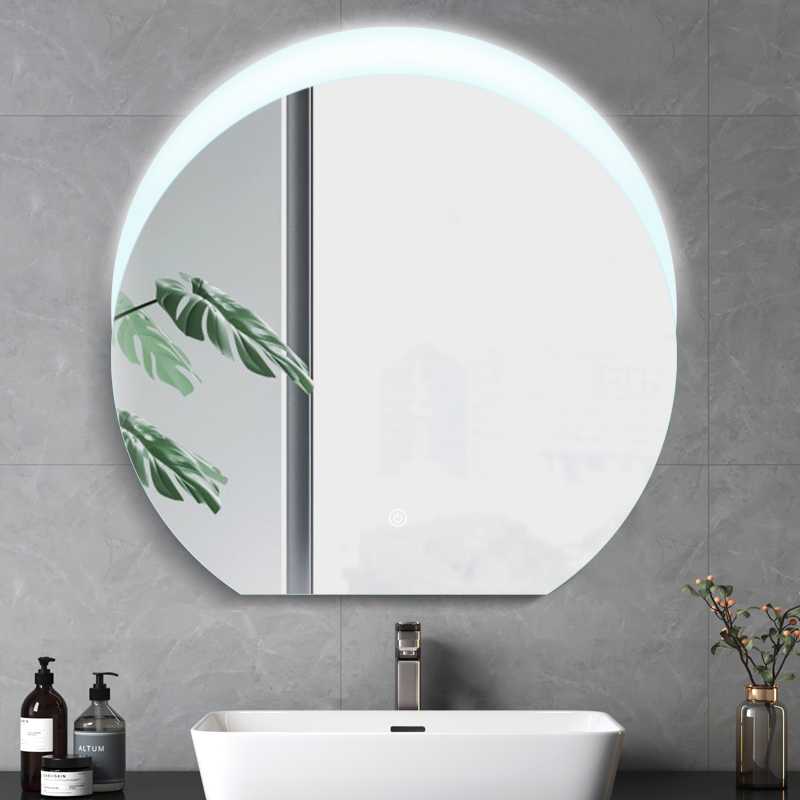
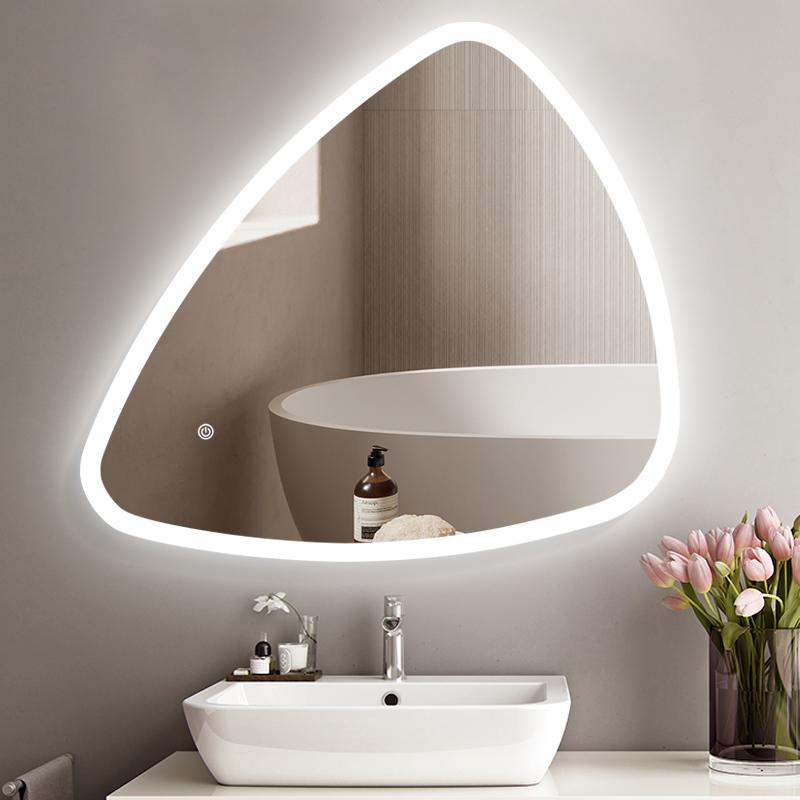
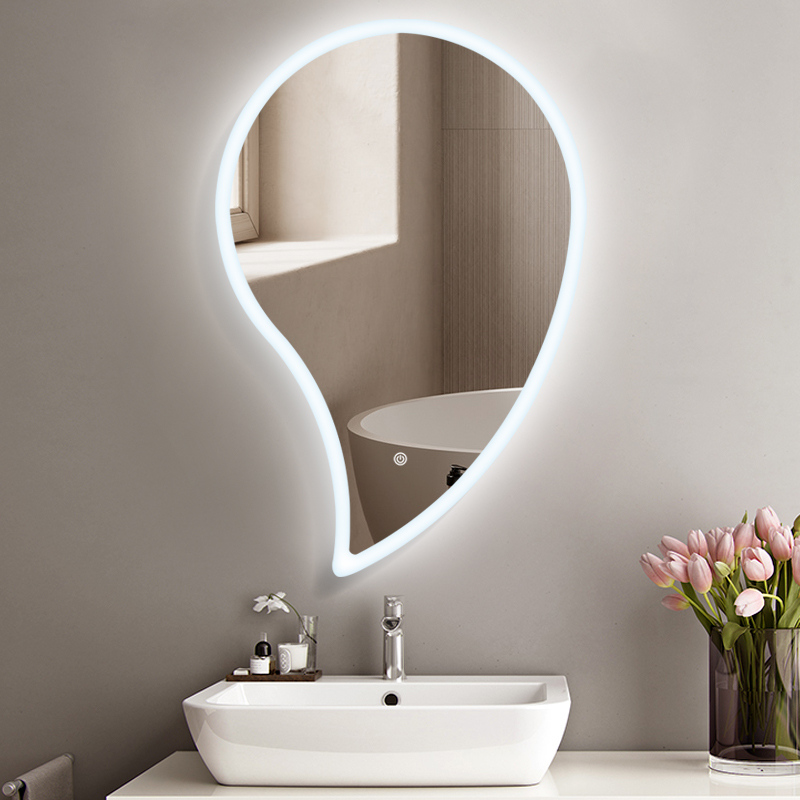
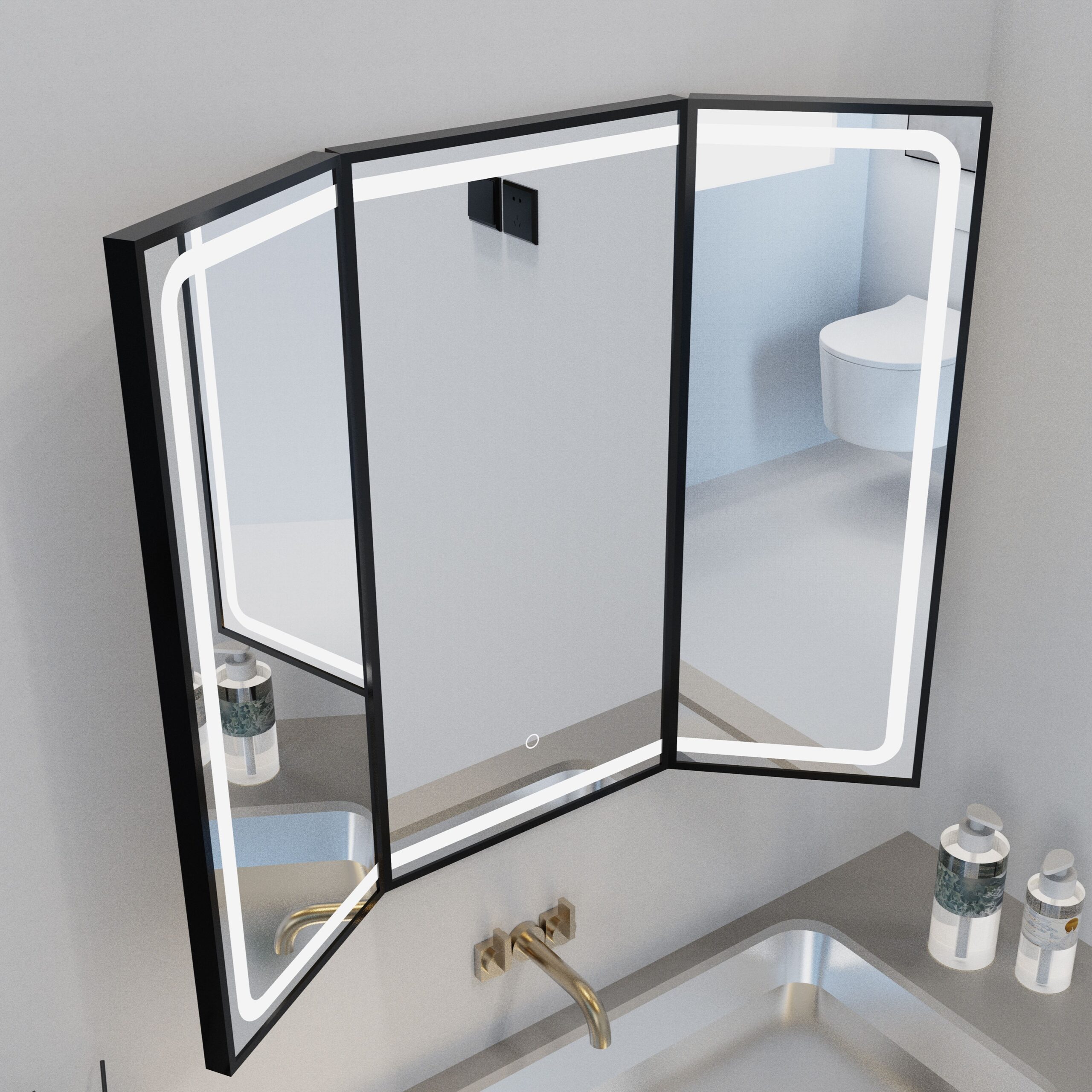
LED spiegels zijn steeds populairder geworden dankzij hun ingebouwde verlichting. Een LED-spiegel biedt gelijkmatige verlichting voor verzorgingstaken en verbetert tegelijkertijd het moderne uiterlijk van de badkamer. Deze spiegels hebben vaak functies zoals aanraakbediening, dimmen en aanpassing van de kleurtemperatuur, waardoor ze ideaal zijn voor badkamers met weinig natuurlijk licht.
Spiegels met een lijst zijn gericht op design en decoratie. Het materiaal van de lijst - metaal, hout of composiet - voegt persoonlijkheid en stijl toe aan de badkamer. Een spiegel met lijst wordt vaak gekozen als aanvulling op badkamermeubels of het algehele interieurontwerp.
Spiegels zonder lijst benadrukken eenvoud en ruimte. Zonder kader creëert dit spiegeltype een strakke, minimalistische look en vergroot het visueel kleine badkamers. Spiegels zonder lijst zijn ook gemakkelijker schoon te maken, waardoor ze een praktische keuze zijn.
Kastspiegels combineren opslag met functionaliteit. Deze spiegels hebben verborgen vakken achter het reflecterende oppervlak, waardoor ze geschikt zijn voor compacte badkamers waar opbergruimte beperkt is.
Overwegingsfactoren bij het kiezen van een badkamerspiegel
Bij het kiezen van de juiste badkamerspiegel komt meer kijken dan alleen het uiterlijk. Verschillende praktische factoren hebben een directe invloed op de prestaties van de spiegel in de loop der tijd.
De grootte van de badkamer is een van de belangrijkste overwegingen. Een grote spiegel kan een kleine badkamer opener doen aanvoelen, terwijl een te grote spiegel in een compacte ruimte overweldigend kan aanvoelen. De spiegel moet in verhouding staan tot het badmeubel en het wandoppervlak.
Ook de lichtomstandigheden zijn van belang. In badkamers met slecht licht kan een LED-spiegel de zichtbaarheid aanzienlijk verbeteren. In badkamers die van nature helder zijn, kan een standaardspiegel voldoende zijn, zodat u zich meer op het design kunt richten.
Vochtbestendigheid is essentieel. Badkamers zijn vochtige omgevingen en een spiegel van lage kwaliteit kan zwarte randen of corrosie ontwikkelen. Als je een spiegel kiest die ontworpen is voor vochtige omstandigheden, ben je verzekerd van duurzaamheid en langdurige helderheid.
Gewoonten van gebruikers mogen niet worden genegeerd. Huishoudens met meerdere gebruikers kunnen bijvoorbeeld baat hebben bij een brede spiegel die geschikt is voor gezamenlijk gebruik. Voor gebruikers die gericht zijn op verzorging is een vergroting of geïntegreerde verlichting belangrijker.
Budget is een andere factor. Hoewel premium spiegels geavanceerde functies bieden, kan een goed gemaakte standaardspiegel nog steeds voldoen aan de basisbehoeften als deze zorgvuldig wordt gekozen.
Essentiële eigenschappen voor een kwaliteitsbadkamerspiegel
Een badkamerspiegel van hoge kwaliteit valt op door zijn constructie, functies en lange levensduur. Deze elementen zorgen ervoor dat de spiegel na verloop van tijd functioneel en aantrekkelijk blijft.
De anticondens technologie is een van de meest waardevolle eigenschappen. Een anticondensspiegel blijft helder, zelfs na een warme douche, waardoor je niet steeds hoeft af te vegen en het gebruiksgemak toeneemt.
De kwaliteit van het spiegelglas is essentieel. Kopervrij spiegelglas of spiegelglas met zilverrug zorgt voor een betere reflectienauwkeurigheid en corrosiebestendigheid, waardoor de levensduur van de spiegel in vochtige omgevingen wordt verlengd.
Voor LED spiegels is de kwaliteit van de verlichting belangrijk. Een goede LED-spiegel biedt een gelijkmatige helderheid, instelbare kleurtemperatuur en energiezuinigheid. Dit zorgt ervoor dat de spiegel zowel functionele verzorging als sfeerverlichting ondersteunt.
Veiligheidsvoorzieningen moeten ook worden overwogen. Spiegels van gehard glas of met een veiligheidsrug verminderen het risico op verwondingen bij breuk, wat vooral belangrijk is in gezinsbadkamers.
De randafwerking verbetert zowel de veiligheid als het uiterlijk. Gepolijste of afgeschuinde randen geven de spiegel een verfijnde look en voorkomen scherpe hoeken.
Beste spiegelopties voor verschillende badkamertypes
Verschillende badkamerindelingen en gebruiksscenario's vragen om verschillende spiegeloplossingen. Door het type spiegel af te stemmen op de badkameromgeving, ben je verzekerd van optimale prestaties.
Kleine badkamers hebben het meeste baat bij kaderloze spiegels of kamerbrede spiegels. Deze opties maximaliseren de visuele ruimte en weerkaatsen het licht effectief, waardoor de ruimte groter en helderder aanvoelt.
Master badkamers bieden vaak meer ontwerpvrijheid. Grote LED-spiegels of dubbele spiegels boven dubbele wastafelmeubels bieden zowel functionaliteit als luxe. Deze spiegels verbeteren de symmetrie en het gemak voor gedeeld gebruik.
Gastenbadkamers geven meestal de voorkeur aan eenvoud en stijl. Een omlijste spiegel met een neutraal ontwerp creëert een gastvrije indruk zonder onnodige complexiteit.
Commerciële badkamers of badkamers in de horeca vereisen duurzaamheid en onderhoudsgemak. Vochtbestendige spiegels met anticondens eigenschappen zijn ideaal voor drukbezochte omgevingen.
Badkamers met beperkte verlichting zijn het meest gebaat bij LED-spiegels. De geïntegreerde verlichting compenseert slechte verlichting en zorgt voor consistente zichtbaarheid, ongeacht de externe lichtomstandigheden.
Belangrijke installatietips voor badkamerspiegels
De juiste installatie speelt een cruciale rol in hoe een badkamerspiegel presteert en hoe lang hij meegaat. Zelfs een spiegel van hoge kwaliteit kan het begeven als hij verkeerd wordt geïnstalleerd.
De montagehoogte moet overeenkomen met de ooghoogte van de gemiddelde gebruiker. Dit zorgt voor comfortabel gebruik zonder ongemakkelijke lichaamshouding. In gedeelde badkamers kan de spiegel iets hoger worden geplaatst voor meer verschillende gebruikers.
De structuur van de muur moet vóór de installatie worden beoordeeld. Zware spiegels, vooral kastspiegels of grote LED-spiegels, moeten stevig worden verankerd om ongelukken te voorkomen.
Elektrische veiligheid is essentieel voor LED spiegels. De bedrading moet voldoen aan de plaatselijke elektrische normen en vochtbestendige aansluitingen zijn verplicht in badkamers.
De ruimte is ook belangrijk. De spiegel moet in het midden boven het bad staan met voldoende ruimte tussen kranen en werkbladen om waterschade te voorkomen.
Professionele installatie wordt aanbevolen voor complexe spiegels. Dit verkleint de kans op schade en zorgt ervoor dat de spiegel werkt zoals bedoeld.
Dagelijks onderhoud voor je badkamerspiegel
Regelmatig onderhoud verlengt de levensduur en het uiterlijk van een badkamerspiegel. Eenvoudige onderhoudsgewoonten kunnen schade op lange termijn voorkomen.
Reinigen moet gebeuren met niet-schurende doeken en milde reinigingsmiddelen. Harde chemicaliën kunnen de spiegelcoating beschadigen en het reflectievermogen na verloop van tijd verminderen.
Vochtbeheersing is essentieel. Een goede ventilatie vermindert condensatie en beschermt de spiegel tegen corrosie en zwarte randvorming.
Vermijd bij LED-spiegels direct contact van water met de bedieningspanelen. Zachtjes afvegen zorgt ervoor dat elektronische onderdelen goed blijven functioneren.
Periodieke inspectie helpt bij het identificeren van vroege tekenen van schade. Door kleine problemen aan te pakken, zoals loszittende bevestigingen of kleine corrosie, voorkom je grotere problemen in een later stadium.
Consistent onderhoud zorgt ervoor dat de spiegel helder, veilig en visueel aantrekkelijk blijft gedurende de hele levensduur.
CONCLUSIE
Het kiezen van de beste badkamerspiegel hangt af van de ruimte, de verlichting, de functies en de dagelijkse behoeften. De juiste spiegel verbetert het comfort, de veiligheid en de algehele badkamerervaring.
 Nederlands
  English
  Español
  Deutsch
  Français
  日本語
日本語  Português
  한국어
한국어  Italiano
  Svenska