

Small mirrors create poor lighting, awkward grooming, and an unbalanced aesthetic. This diminishes your bathroom’s appeal and usability. Choosing the right-sized mirror resolves all these issues effortlessly.
Choosing the perfect bathroom mirror involves finding the right proportion between the mirror and vanity, ensuring symmetry, functionality, and visual balance in your bathroom.
Explore mirror styles, ideal dimensions, and pro tips to get the perfect look and function.
Can Your Bathroom Mirror Be Bigger Than Your Vanity?
Technically, yes—but it’s rarely recommended. A bathroom mirror that extends beyond the vanity width can feel disproportionate and may interfere with lighting fixtures or wall features. Interior design best practices suggest that your mirror should be the same width as the vanity or slightly smaller. For instance, if you have a 48-inch vanity, your mirror should ideally be 36–46 inches wide.
That said, there are exceptions. A mirror larger than your vanity can work in ultra-modern or minimalist designs, especially when the space around the mirror is symmetrical and not visually cluttered. Oversized mirrors can also be functional in shared bathrooms, offering more reflective space. However, keep in mind that alignment with cabinetry and light fixtures remains essential for a clean aesthetic.
Bathroom Mirror Sizing: Steps for Selecting the Ideal Size
Choosing the perfect bathroom mirror requires more than a quick measurement. Here are five essential steps to follow:
- Measure the Vanity Width: Your mirror should generally be 2–4 inches narrower than the vanity. For example, with a 60-inch vanity, a 56-inch mirror provides visual balance.
- Account for Light Fixtures: Ensure enough space is available for side or overhead lighting, which may affect the mirror’s possible width and height.
- Consider Mirror Height: Typically, mirror height ranges between 28 to 34 inches, depending on ceiling height and user height. Taller individuals may prefer a mirror mounted slightly higher.
- Single or Double Vanity: For a double-sink vanity, you may choose two separate mirrors or one long horizontal mirror. Each approach requires different measurements and mounting strategies.
- Frame Thickness: Don’t forget the width of the mirror’s frame, which can add bulk and affect visual proportions. A frameless design allows more flexibility in tight spaces.
These sizing considerations make sure your Bathroom Mirror is both functional and aesthetically pleasing.
Choosing the Right Type of Bathroom Mirror: All the Styles at Your Disposal
The style of your bathroom mirror influences more than just the decor—it impacts usability and lighting too. Below are the most popular types:
- Framed Mirrors: These bring a finished look to any bathroom. Choose wood, metal, or resin frames depending on your decor style.
- Frameless Mirrors: Sleek and modern, frameless mirrors are easier to clean and blend seamlessly with most vanities.
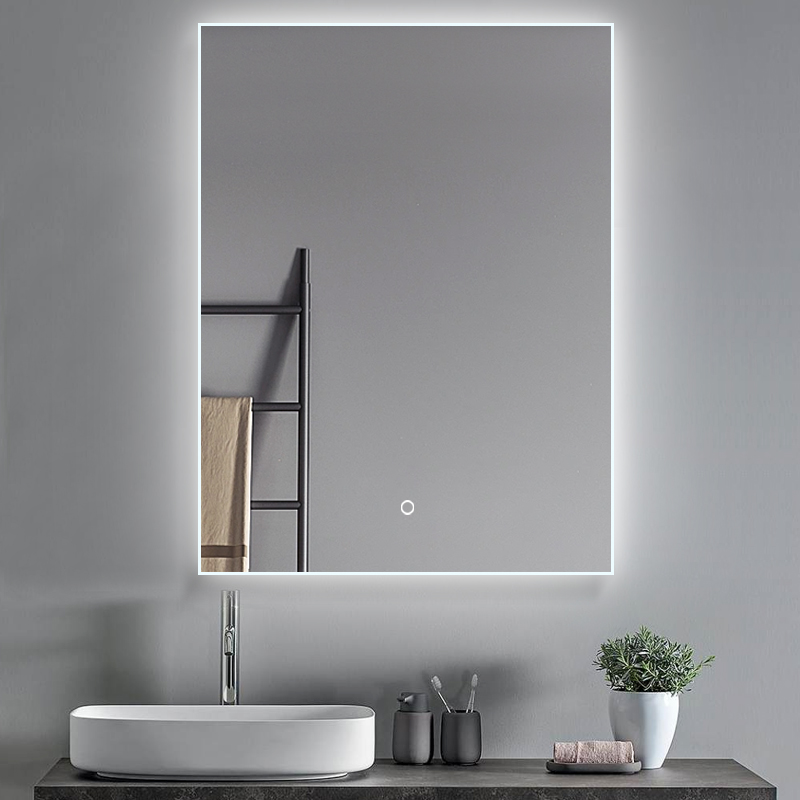
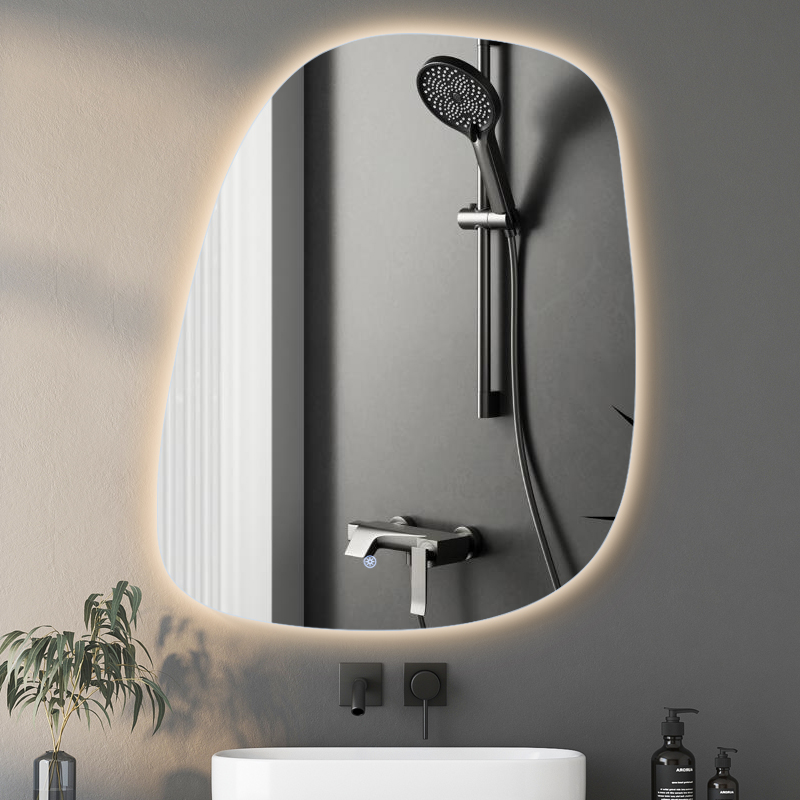
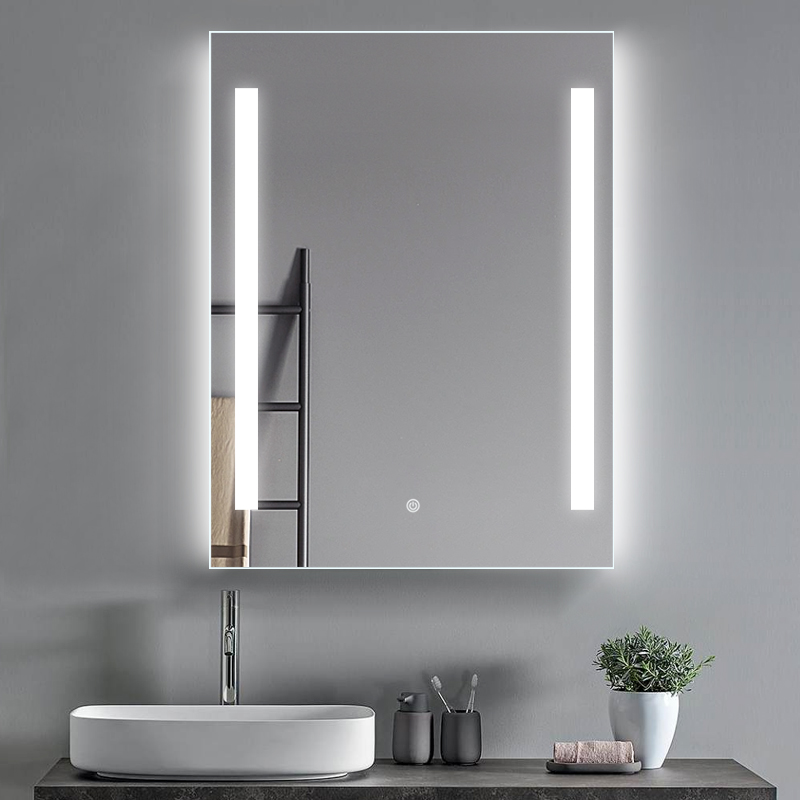
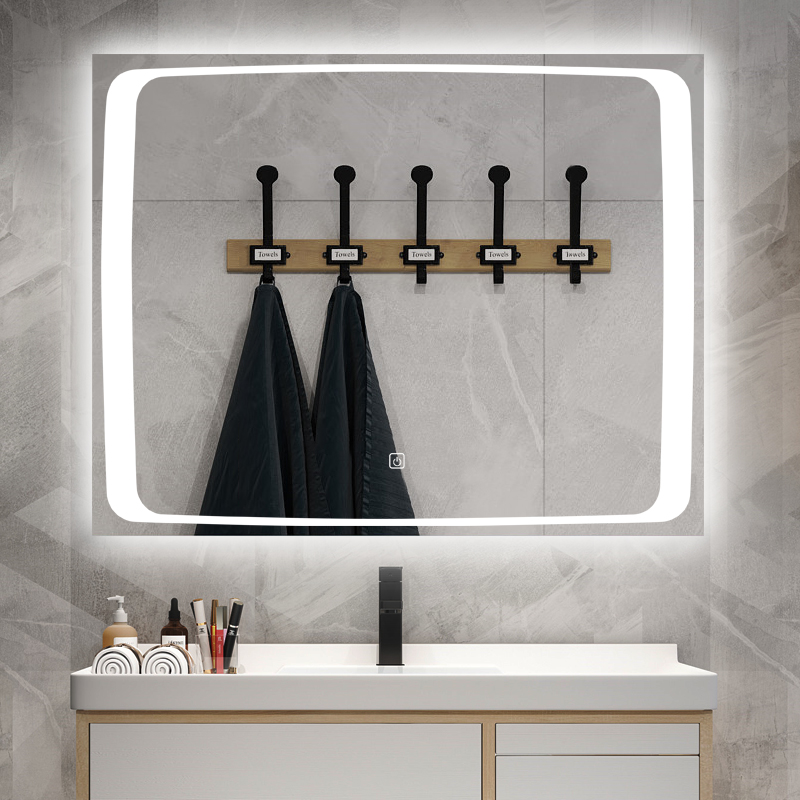
- Lighted Mirrors: Built-in LED lighting provides excellent task lighting and a luxurious look. Ideal for makeup or shaving routines.
- Medicine Cabinet Mirrors: Functional and space-saving, these double as storage units.
- Pivot Mirrors: Mounted on side hinges, they can tilt to adjust viewing angles—great for multi-user bathrooms.
Your chosen mirror style should coordinate with vanity design, room size, and personal needs. Whether you’re upgrading a powder room or designing a luxury master bath, selecting the right Bathroom Mirror type is crucial.
Tips on Choosing the Right Height for the Bathroom Mirror
While width is often the first concern, height matters just as much. The top of the mirror should typically rest about 5 to 10 inches above the faucet line and about 60 inches from the floor for average users. This ensures that most people can comfortably see their full reflection.
You also need to consider the height of the ceiling, position of sconces or overhead lighting, and the overall size of the bathroom wall. In compact spaces, a taller mirror can elongate the room and make it feel bigger. In larger bathrooms, make sure the height doesn’t overwhelm other elements like cabinets or windows.
For family use or shared bathrooms, consider adjustable or multiple mirror heights. And remember—functionality comes first. A stylish Bathroom Mirror that’s mounted too low or too high is practically useless.
Do It Yourself or Hire Professionals: Which Option Is the Best for Hanging Your Mirror?
Hanging a bathroom mirror may look simple, but there are nuances. Here’s a comparison to help you decide:
DIY Installation
- Pros: Cost-effective, flexible timing, satisfying to complete.
- Cons: Risk of misalignment, wall damage, incorrect anchoring—especially with heavier mirrors or tiled walls.
Professional Installation
- Pros: Precise measurements, safe mounting, guaranteed results.
- Cons: Added cost, need to schedule a service.
If your mirror is large, heavy, or has integrated lighting, it’s best to call a professional. However, if it’s a lightweight framed piece and you’re handy with a level and drill, DIY is a viable option. Regardless of the method, ensure the mirror is mounted securely and aligns symmetrically above your Bathroom Mirror.
Final Thoughts
Choose a well-sized bathroom mirror that balances beauty, function, and proportion effortlessly.
 English
  Español
  Deutsch
  Français
  日本語
日本語  Nederlands
  Português
  한국어
한국어  Italiano
  Svenska