

A dull or mismatched Bathroom Mirror can throw off the entire aesthetic of your space. Poor mirror choice leads to visual imbalance and wasted design potential. The right mirror style restores harmony and enhances both function and beauty.
Choosing between framed and frameless Bathroom Mirrors depends on your interior style, maintenance preferences, and how much personality you want your bathroom to show. Each option offers distinct benefits and visual impact.
Let’s dive deeper into each mirror type so you can find the perfect match for your bathroom design.
What are my options for framed bathroom mirrors?
Framed Bathroom Mirrors come in a wide range of designs, materials, and finishes, allowing you to complement virtually any bathroom style. The frame acts as both a decorative and functional element, defining the mirror’s edges and protecting it from potential damage.
Wooden framed mirrors are excellent for rustic, farmhouse, or vintage bathrooms. Their natural tones and textures introduce warmth and contrast beautifully with cool tile or metal fixtures. Metal frames, on the other hand, create an industrial or contemporary look—sleek, clean, and bold. You can also choose mirrors wrapped in materials such as resin or rattan for a more artistic or coastal vibe.
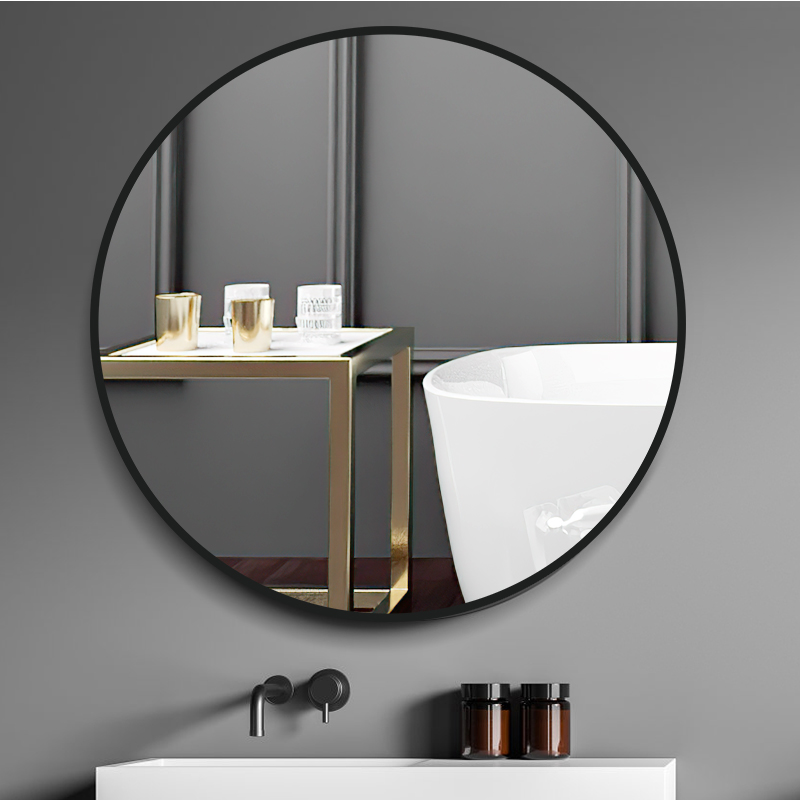
Framed mirrors can be rectangular, oval, or circular, depending on the layout of your vanity and lighting. Larger framed mirrors serve as focal points, while smaller ones add layered interest when combined with other reflective elements. The versatility of framed mirrors makes them a timeless choice for any Bathroom Mirror setup.
What are the pros and cons of bathroom mirrors in traditional frames?
Traditional framed Bathroom Mirrors offer a sense of elegance and structure that can instantly elevate a space. Their most significant advantage is design flexibility. The frame not only enhances aesthetic appeal but also provides a protective border that reduces the risk of mirror edge corrosion or peeling—common in humid environments like bathrooms.
However, traditional frames require more maintenance. Wooden frames may absorb moisture over time, leading to warping or mold growth unless properly sealed. Heavily ornate frames also tend to collect dust and are more challenging to clean compared to their frameless counterparts.
From a style perspective, traditional frames work exceptionally well in classic or transitional interiors where detail and craftsmanship matter. They pair beautifully with vintage faucets, marble countertops, and warm lighting. Still, if you prefer minimalism or have a small bathroom where space and light are priorities, the bulk of a traditional frame might feel overwhelming.
What are the pros and cons of metal wrapped bathroom mirrors?
Metal-wrapped Bathroom Mirrors combine strength, durability, and contemporary flair. They’re typically constructed from stainless steel, aluminum, or brass, offering a sleek edge that resists rust and damage. This makes them an excellent choice for high-humidity bathrooms where longevity is key.
The biggest advantage of metal-framed mirrors is their clean, industrial aesthetic. They add sophistication without overpowering other design elements. Metal finishes like matte black, brushed gold, or polished chrome can easily match your faucet and lighting fixtures, creating a cohesive visual theme.
On the downside, metal frames can sometimes develop water spots or fingerprints, requiring regular polishing to maintain their pristine look. Additionally, some metal finishes—like raw steel—may tarnish over time without proper care. Still, their slim profiles and durability make them one of the best modern options for Bathroom Mirrors, particularly in minimalist or luxury-inspired designs.
Can I include a framed and frameless mirror in the same bathroom?
Yes, mixing framed and frameless Bathroom Mirrors can create a dynamic and visually balanced bathroom design when done thoughtfully. The key lies in maintaining a cohesive aesthetic through material coordination, symmetry, and proportional balance.
For example, you could pair a large frameless mirror above a double vanity with a smaller framed mirror above a decorative shelf or makeup area. This combination adds depth and visual interest without making the space look cluttered. Matching finishes—like pairing a brass-framed mirror with brass fixtures—helps tie the look together.
However, avoid overmixing shapes or contrasting styles (for instance, pairing a heavy traditional frame with a modern frameless design). Consistency in tone and lighting helps maintain unity while allowing each mirror style to serve its functional purpose. A hybrid design approach offers flexibility, especially in bathrooms where both elegance and simplicity are desired.
What are the best ways to care for framed and frameless bathroom mirrors?
Proper maintenance ensures that both framed and frameless Bathroom Mirrors retain their clarity and shine for years. For frameless mirrors, cleaning is straightforward—simply wipe them with a microfiber cloth and a gentle glass cleaner to avoid streaks. Always dry the edges to prevent moisture from seeping behind the glass.
Framed mirrors, depending on the frame material, need extra care. Wooden frames should be kept dry and occasionally treated with a moisture-resistant sealant. Metal frames can be cleaned using mild soap and water, followed by a soft towel to avoid spotting. Avoid using harsh chemicals or abrasive cleaners, as they may damage both the mirror surface and frame finish.
For both types, ensure your bathroom is well-ventilated to reduce humidity buildup. Installing an exhaust fan or dehumidifier can significantly extend your mirror’s lifespan. Regular inspection for rust, peeling, or discoloration helps address issues before they worsen, ensuring your Bathroom Mirrors always look pristine.
Conclusion
Whether framed or frameless, choose Bathroom Mirrors that balance function, design, and maintenance for the perfect bathroom ambiance.


 English
  Español
  Deutsch
  Français
  日本語
日本語  Nederlands
  Português
  한국어
한국어  Italiano
  Svenska