

Moisture can silently ruin your mirror over time. Rusty edges and black spots make your bathroom look old and neglected. Protect your Bathroom Mirror with proper care and preventive techniques.
To stop your Bathroom Mirror from rusting, reduce moisture exposure, use rust-resistant materials, and apply protective coatings. Proper ventilation, sealing mirror edges, and regular cleaning all help extend your mirror’s lifespan and maintain a spotless reflective surface.
Let’s explore why rust forms and how to keep your Bathroom Mirror looking new for years.
Why Do Bathroom Mirrors Rust?
Bathroom Mirrors rust primarily due to constant exposure to moisture and humidity. The reflective coating, usually made of silver or aluminum, is applied to the back of the mirror. When steam or water penetrates through the edges or small cracks, it starts to react with the metal, leading to oxidation—commonly seen as dark rust-like spots along the edges.
In bathrooms without proper ventilation, the steam from showers accelerates this process. Poor-quality mirrors or those without proper edge sealing are particularly vulnerable. Additionally, using harsh cleaning chemicals can break down the mirror’s protective layer, leaving it more prone to corrosion. Understanding the root cause of rusting is essential to prevent it effectively and preserve both the appearance and functionality of your Bathroom Mirror.
How to Stop Your Bathroom Mirror from Rusting
To prevent your Bathroom Mirror from rusting, start with proper installation and maintenance. Always ensure that your bathroom has adequate ventilation—installing an exhaust fan can significantly reduce humidity. When cleaning, avoid ammonia-based cleaners; instead, use mild glass cleaners or a mix of vinegar and water to clean the surface gently.
Next, seal the mirror edges with a high-quality mirror sealant. This barrier prevents moisture from seeping behind the glass. Applying a thin layer of car wax or specialized anti-corrosion coating can also create a protective film. Another practical solution is to avoid splashing water directly onto the mirror or its frame. Regular maintenance, such as wiping down condensation after showers, will go a long way in preventing rust formation.
Choose the Right Kind of Mirror to Avoid Mirror Rusting Fully
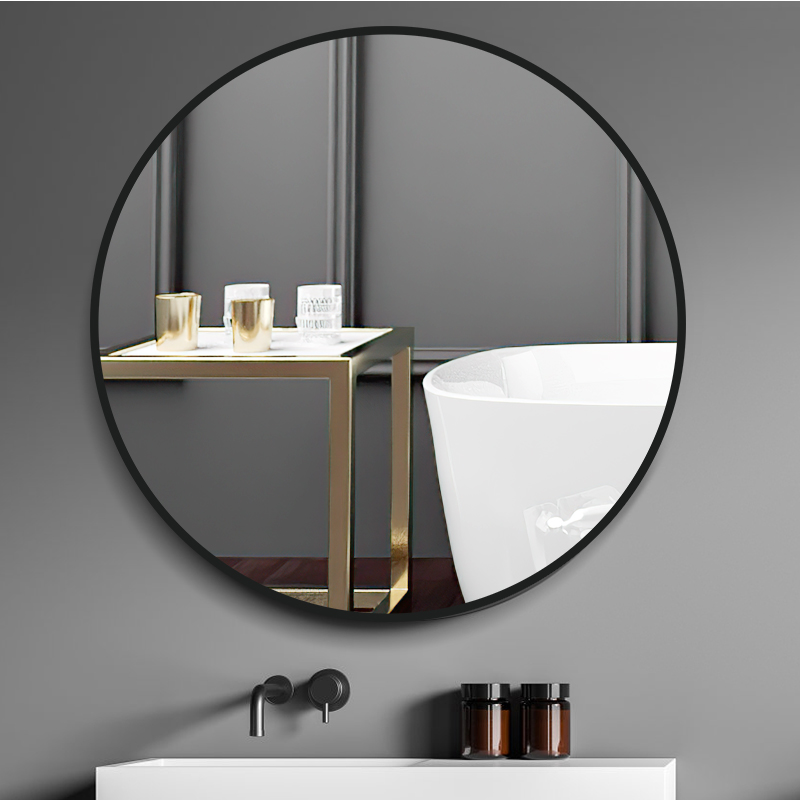
Selecting the right type of Mirror is crucial for long-term durability in a humid environment like a bathroom. Opt for a Bathroom Mirror specifically designed for moisture resistance. Many Bathroom Mirrors now come with rust-resistant back coatings and sealed edges, which prevent moisture penetration.
Tempered glass mirrors are another great option—they are stronger and less susceptible to damage from condensation. Some manufacturers also offer copper-free mirrors, which are designed to resist corrosion and discoloration far better than traditional mirrors. When purchasing from a trusted Bathroom Mirror Manufacturer or Supplier, ask about mirrors tested for humidity resistance and anti-corrosion properties.
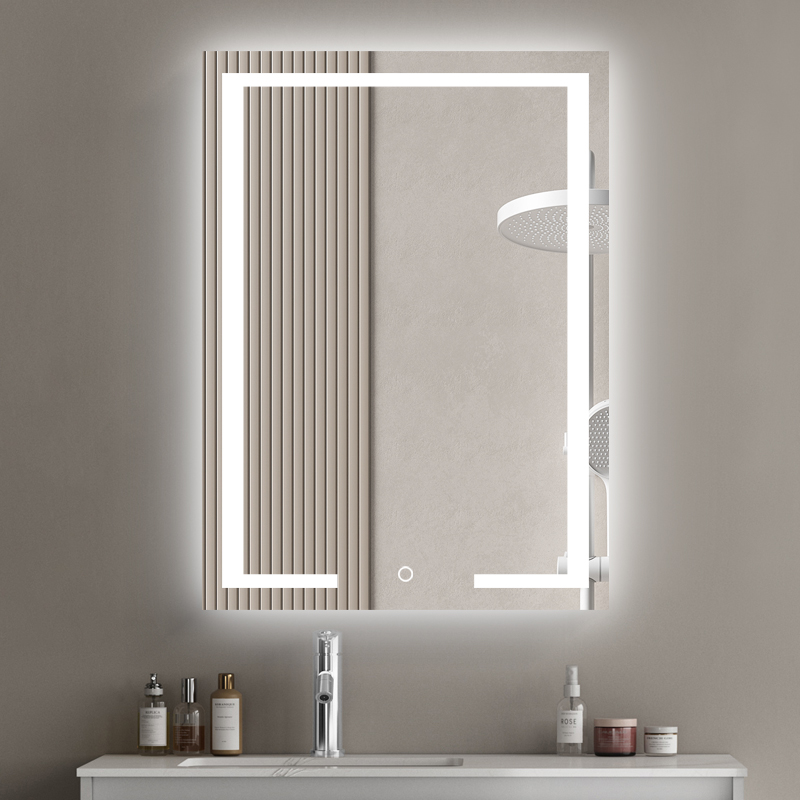
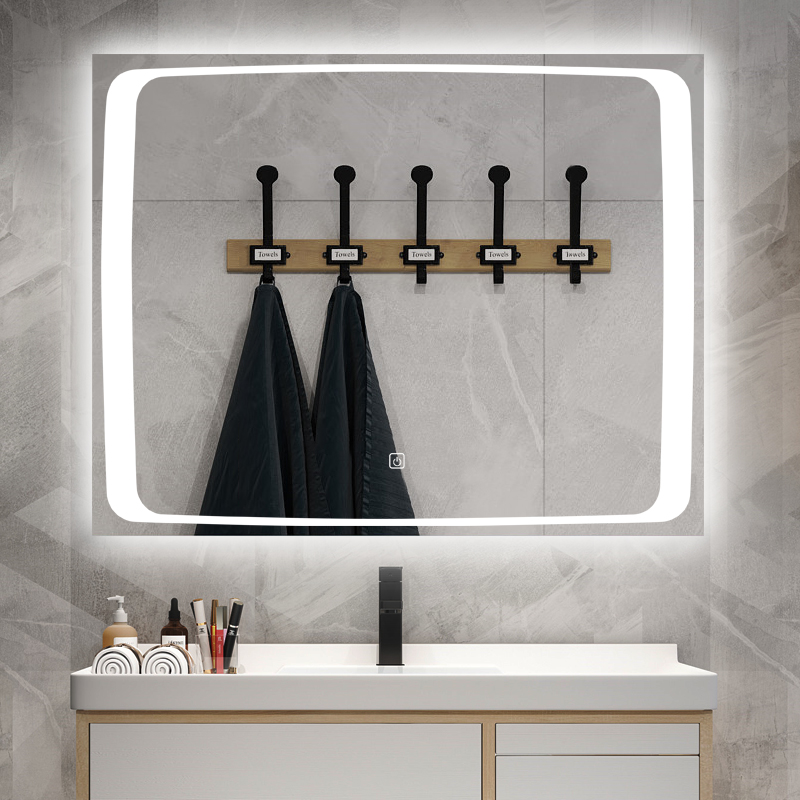
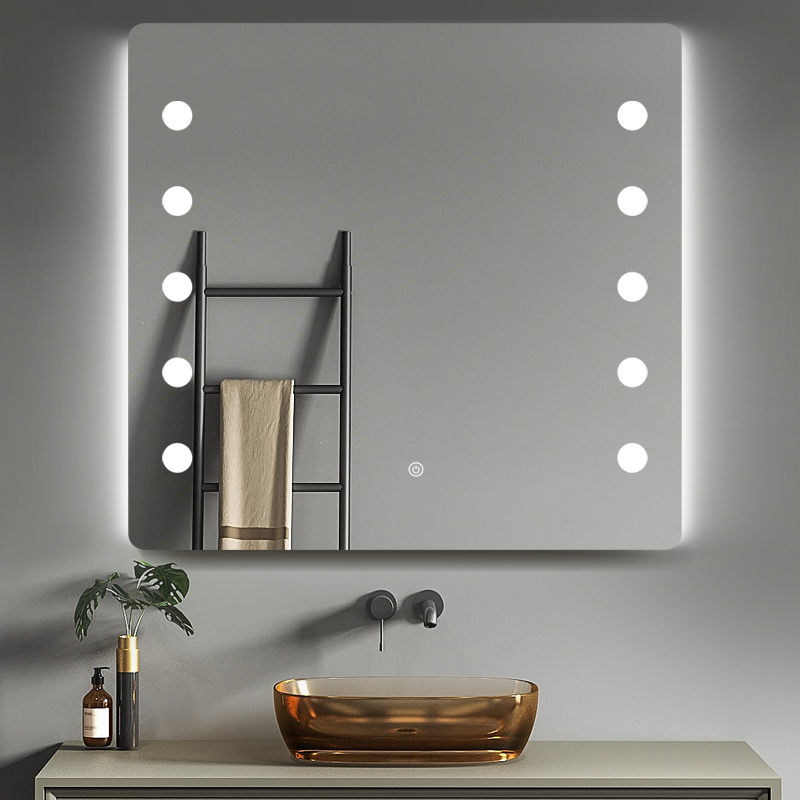
Lastly, consider installing an LED Bathroom Mirror. These modern designs often include demister pads that keep the surface clear of fog, reducing moisture buildup and minimizing rust risks. By choosing quality over price, you can ensure your mirror remains beautiful and functional for many years.
Schlussfolgerung
Keep your Bathroom Mirror rust-free with smart choices, regular cleaning, and moisture control.
 Deutsch
  English
  Español
  Français
  日本語
日本語  Nederlands
  Português
  한국어
한국어  Italiano
  Svenska